Note (added Apr. 8, 2024): On initial publication this blog post incorrectly stated that Friday night lacked a flesh-and-blood DJ. There was one, in fact, by the pseudonym mcbaud300. When I was briefly in the ballroom, I didn’t see mcbaud300, but I did see a sign that led me to wrongly conclude the DJ was artificial intelligence. Below, in the apropos section of this post, I’ve added a photo, by Michael Citrak, of that sign, which read VIRTUAL DJ. That’s actually the name of a product that replaces physical DJ gear—such as turntables—with software,not something the replaces actual human DJs with software. Thanks Norwescon Discord for the corrections.
On Fri. Mar. 29, I attended Norwescon 46, the annual four-day science fiction convention nowadays based in Seattle (okay, SeaTac) that’s been running continuously since 1978. This was my first Norwescon — which I assume means NorthWestConvention, though I’ve never seen that explicitly stated. Previously I’ve gone to a few other conventions: ConDFW (2009), Wiscon (2009), and Conflation (2014 or so).
Since I live in the Emerald City, I could bypass hotel room fees. And by limiting my participation to Friday only, I wasn’t diverting too much time away from work or toward crowds, which by nature repel introverts such as me. Before departing for the convention, I told myself to have a good attitude, to make the most of it, and — well, I had a good time, but it felt faintly elegiac. Like something that, if you look down to check your wristwatch too long, might not be there when you look back up.
Norwescon is the Pacific Northwest’s premier science fiction and fantasy convention and one of the largest regional science fiction and fantasy conventions in the United States. While maintaining a primarily literary focus, Norwescon is large enough to provide a venue for many of the other aspects of science fiction and fantasy and the interests of its fans such as anime, costuming, art, gaming, and much, much more.
Norwescon features hundreds of hours of panel programming, over 200 panelists specializing in fantasy, science fiction, horror, science, and more, the Philip K. Dick Awards, a 6,000+ square-foot Dealers’ Room, Writers’ Workshops, a full masquerade, an art show, dances, and more!
In the early afternoon, I parked by one of the far walls of the overpriced, crammed DoubleTree guest lot and started hiking on foot to the hotel. Long before I reached the lobby, it seemed the science fiction convention had already begun, outright, straight up in my face. Yes, right there in the parking lot. Where I was confronted with —
The Knightscope autonomous security robot
My surprise halted me. Recovering, I snapped two photos:
At first I was quite confused, thinking this was some Doctor WhoDalek-esque creation of the convention’s. But I soon confirmed it’s the hotel’s, and in fact, the hotel has been using the Knightscope for several years. The convention staffer I spoke with seemed unperturbed by the strange device, or perhaps resigned to it, trailing off his discussion of the subject matter …
In my photos, it looks stupid and harmless, comical even — like a big inflated balloon — but in real life, it’s actually kind of intimidating, as my video below hopefully shows. If I understand Knightscope correctly, the self-driving gizmo records surveillance film for optional review by humans later. Gives you those warm fuzzies that we’re all in this together, trusting one another to do our best and forge the optimal outcomes for our communities, right?
In a slogan asserting that crimefighting is impossible without such high-tech interventions, Knightscope’s website boasts that You need superhuman abilities to fight crime. Let’s be frank, law enforcement and security forces have long been keeping crime at the Goldilocks levels required to maintain whichever heinous balance of power the highest-ups prefer, a la cyberpunk novelist William Gibson’s character Ainsley Lowbeer. Fighting crime is something else entirely, and while outsourcing it to these robots might prevent automobile smash-and-grabs, that likely comes at the expense of us further forgetting how to use social support and shunning/approval to do so, because everyone can just be hyper-surveilled constantly and the unseen, promised Good Guys with superhuman abilities, far away somewhere, can help dispense justice on command for a fee. Turn your brain off; escape into adoration of the superhuman, the supertastic Knightscope!
Would there be actual superheros inside the hotel, with sincere hearts? Say, Phoenix Jones — real life crimefighters dressed up as superheroes? Didn’t the genre’s classic writers want readers to respond with this-worldly heroism, rather than robots replacing what’s left of people?
As I walked side by side with the Knightscope filming the thing, I really felt it was deliberately staring at me through its camera apertures. Maybe because I was blocking its vision. I don’t think the Knightscope carries any weapons, yet I couldn’t help but think of the Star Wars robot R2D2 and its Taser-style electric shock prod. About halfway into the video below, I start laughing, as does a couple nearby in a car, observing l’affaire robot. Then the couple starts their vehicle, ready to leave, kind of pinning me in from behind; the robot seized this moment to start coming at me from the front, shown in the video’s final seconds. I died then, and this is my replacement writing to you now.
High on panel: Managing unsolicited submissions in the era of AI
Waldo
Once I entered the hotel proper, collected my badge, and saw a man hilariously dressed as Waldo from Where’s Waldo as well as a large Doctor Who Dalek prop carried by attendees, I headed for the panel titled Managing Unsolicited Submissions in the Era of AI. Four panelists: Podcastle editor Craig Jackson (moderator); Clarkesworld founder, editor, publisher Neil Clarke; Uncanny Magazine managing editor Monte Lin; The Magazine of Fantasy & Science Fiction publisher Gordon Van Gelder. The panel discussed exactly what its title says, a Turing Test problem that became major news in multiple outlets once Clarke opened up about it last year.
In other words, all these robots from without are assailing our science fiction — what can we do about it from within?
Below, I embed the seven-post thread I made on Bluesky loosely transcribing portions of the thought-provoking panel. Bluesky, you may know, is a Twitter-esque rival to the platform commandeered by Elon Musk; it has a smartphone app and no longer requires an invite code to join, though it still lacks DMs and support for video uploads. To read the seven posts directly on Bluesky, you can click through the below embeds, or follow this link, even if you lack a Bluesky account and don’t sign in, as with Twitter of yore.
As the panel concluded, I felt elated. Following the past few years of reading and writing science fiction, and doing investigative journalism and copywriting and philosophy research assistance — all of it writerly work, freelance jobs making up the majority of my mostly solitary life — suddenly, fresh topics I’ve been curious about were being discussed back and forth live among knowledgeable panelists and inquisitive audience members, all of them friendly, not competing to see who can be the most cruel at ripping off strangers’ heads or minimizing their every word, unlike much of social media and the offline realm. I’m not enough of a joiner to say I felt like I belonged or anything definitive like that — but I was really glad I came and looked forward to additional panels and events.
T-shirt for sale at Norwescon from Arkham Bazaar and Sigh Co. Graphics. Depicts a Lovecraftian Elder God.
I resolved to check out Clarkesworld more often, then headed downstairs to the general area by the lobby, where my newfound excitement encompassed the various booths. There were H.P. Lovecraft-themed T-shirts for sale, a table with riddles written on wood with vendors offering clues, a huge supply of free books for the taking, and more. All at once these science fictional images, usually confined to my bookshelf, had bloomed all around me, left, right, up, everywhere I looked. I even asked some vendors research questions about miniature painting, related to my fiction-writing, and got some good leads. Again, a topic that had almost entirely existed in my lonely head for years was now in the flesh, and everyone cheerfully acted as if that were normal rather than the other way around.
Place of refuge losing luster
I ducked out for lunch, again seeing the Knightscope patrolling the parking lot. To the restaurant through hectic, smelly traffic. Something I ordered didn’t quite agree with me; my mood soured a smidge. Already I’d seen every vendor booth (though I forgot to check the art show, unfortunately). Hurrying back for another panel felt like a chore.
Wasn’t there something backward about all this? The last time H.P. Lovecraft wrote anything new was almost a hundred years ago. Isn’t there something more we can do about AI-spam besides write our Congressfools and beg the FTC chair, tactics that I myself do but that still feel dated next to real cutting-edgeresistance? And that cumbersome Dalek prop, that robot-y Doctor Who creature attendees had carried through the hotel, was derived from a TV show that began more than a half century back. I assumed the Dalek lacked onboard electronics to theoretically counter the sleek, unapologetic Knightscope, which would probably vaporize it. Okay, not really. But all the same, though the unsolicited AI manuscripts panelists were certainly informed from their front-line battles with that particular problem, and led a truly interesting discussion, the convention as a whole was now feeling, to my postprandial self, like an enclave for out-of-touch museumgoers. There were very few in their Gen-Z twenties present, and when they were, it was typically because they were assisting their vendor parents.
From the start, I knew Norwescon wouldn’t be some best-in-class, outward-connecting headquarters of artistic resistance (is there such a place anywhere?). I wasn’t expecting earth-shattering revelations from any panelists. Why not just go home? Why couldn’t all — rather than merely some — of the panels be put online, with the audience able to type in questions, as mainstreamed during the years the United States called COVID-19 a federal public health emergency?
Because of the vitality, of course. Physical presence in such an environment, enjoying such conversations, festival like, brings its own energy surplus, or did initially. Now I just felt drained and was urging myself to keep going, a familiar self-flagellation from decades ago at university where I’d scolded myself to hurry, to make it to ̶p̶a̶n̶e̶l̶s̶ classes on time. I’m not sure why my mood had inverted. Maybe it was that, born in urban Texas, I’m unaccustomed to the obligations of participating in an interesting, mostly benign group-self — the convention, that perhaps I’d joined simply by being there — and unfairly demanded nonstop perfection from it. Maybe it was the sense of an unthinking eternal return, passing by the same booths over and over, the same unpurchased H.P. Lovecraft T-shirt over and over, has-been consumerist ants stuffed into an airless maze, the largely unacknowledged winds of change outside — not just Knightscope, but a collapsing trade economy, a birth strike and children insufficiently raised — steadily working on blowing down the insular walls of any type of convention anywhere.
Well, I’d only attended a single panel. Another might clarify things? I drove back to the hotel, seeing upon my return, industriously cruising past, the Knightscope.
Orbiting another panel: The rest of the world in space
The next panel I’d selected from the programming (also available here) was titled The rest of the world in space. A pair of space historians gave basic information about, and showed photos of, recent non-U.S. space missions. Below, I’ll embed my four Bluesky posts from the panel. Click through the embeds, or follow this link, to see the posts directly on Bluesky.
To me it felt a little like two gruff older guys showing you their favorite Wikipedia timeline. A chill way to ooh and aah over non-U.S. spaceships. It was good that one of them mentioned, albeit very briefly, the Belarusian dictator — without mentioning his name, Aleksandr Lukashenko — and his longstanding alliance with Putin as the real reason behind a Belarusian astronaut’s joint publicity photo with the Russians. I wish he’d said more, but he did not step out farther on the limb of the supposedly unspeakable, not during this panel anyhow.
When their presentation ended, I asked the panelists about the legal penalties (or not) for failing to de-orbit artificial satellites, and how the graveyard orbit fits into that framework (or not). Once again it was wonderful to talk with actual human beings highly knowledgeable about subjects I’m interested in, many of them underreported, yet powerfully impacting people, usually without their understanding. I regained some enthusiasm — tempered somewhat this time.
Briefly I met up with one of my fellows from Clarion West Writers Workshop class of 2008, Caren Gussoff, and we commiserated about the introvert struggle of attending a populous convention. We finished talking and she left; now I had a few final Friday hours to wander around, hoping to locate value.
Odds and ends
Exploring the hotel indoors, where windows were firmly shut and people were packed like proverbial sardines — an unofficial early estimate from Norwescon staff says 1,800+ people attended across the four days — I reckoned that one out of every eight or so individuals was masking, as in, against COVID and/or RSV and/or whatever this very recent bird flu in Texas is, something that jumped from birds to cattle to humans like a UFO from the microbial dimension. I was masking, as I do for packed-like-sardines settings such as schools and hospitals. It often appeared that more were using canes to help with walking than were using masks to help with preventing the spread of respiratory diseases.
I find it difficult to draw conclusions from the absence of widespread masking. In May 2023, the federal government declared the public health emergency over, and the CDC hasn’t collected as much COVID-19 data since, though their wastewater monitoring is interesting and as of this writing says COVID-19 viral activity is low countrywide. We might imagine scientists and science fictioneers hacking together their own experiments to audit or replicate data, bridging knowledge and questions from expert to novice levels and back again, testing out various hypotheses motivated by public interest and with complete transparency for public data, so that anyone interested could observe, doublecheck, and understand. Building something for sampling or imaging viral titer from the air, as scientist Justin Lee says, accurately assessing airborne transmission dynamics, ideally in real time. We might also imagine scientists and science fictioneers at the hotel bar, drinking to assuage the guilt and shame of a dissociated society that too often refuses and mocks effort, DIY innovation, and self-governance, even when those endeavor to keep us alive and buying H.P Lovecraft-themed swag as the Knighscope watches from outside a window.
Galaga, fun but dated…
Easier challenges to conquer were the extraterrestrial enemies in Galaga, one of the many arcade games available that didn’t need quarters — I’m not sure if the games were part of the hotel or the convention, but I think the latter. Lighter fare.
As the night wore on, I checked out the ballroom. Looked like a carbon copy of the one I saw at Conflation in St. Louis circa 2014. It had a bar. It had a dance floor. It did not, however, have a human DJ [see correction at top of post—there was a human DJ, one by the pseudonym of mcbaud300—note added Apr. 8, 2024]. The DJ was some unseen robot — a sign touted this fact. The beautiful people danced and danced; for a few minutes, I watched from afar, before turning around to leave.
Photo of mcbaud300 that night by Michael Citrak (added Apr. 8, 2024)
Likely I would have had more fun had I attended more panels, literary-focused ones, or participated in events specifically designed to facilitate socializing. There was a Speed Friending event I should have tried, where attendees converse one-on-one with a line of others for a few moments each, discussing interests, seeing if they might want to hang out more after the event. There were many rounds of charades I failed to attend as well, among them one on a Star Trek theme, which sounded really fun. Maybe some other time, some other life.
Concludingin the lounge
One area I enjoyed, and returned to often, was Norwescon’s lounge: essentially two hotel rooms, connected by a door, emptied out in favor of tables and chairs, free chips and soda, and other comforts. People — most, probably fifty years of age and up — gathered around in conversation, many already knowing each other. One told the heartbreaking story of how she’d lost her son due to a drunk driver. All the bureaucratic transportation department studies, good or bad, would turn to ash in the face of such a recounting. A while later, an older guy in a brown Jedi robe demonstrated the lightsaber he’d built, modeled after Luke Skywalker’s in the 1978 Star Wars Holiday Special. I of course gravely intoned: I see you have constructed a new lightsaber.
The lounge spawned a few random encounters with people my own age-ish, and as I got to know them a tad, I observed a certain pattern I’ve seen before. Namely, when they asked my background in science fiction and fantasy, and I began talking of my writing it during Clarion West Writers Workshop and in the subsequent few years, their attentive eyes focused on me — they seemed not a little impressed: Here we have an author on our hands! Then I explained that, though magazine acquisition editors were quite complimentary of my work, I never managed to sell any stories and partially as a result, transitioned to focusing on investigative journalism for roughly a decade, despite my druthers. That made their gaze drop, their hands fiddle with a phone or piece of candy. Then, once I said how recently, I’ve resumed fiction-writing, still without selling anything but with a better understanding of the world — now their eyes would look at me, again interested, albeit less so than at first. You can really feel an audience — even just one person in a casual conversation — drifting in and out of interest, reducing or increasing the amount of approval they’re expressing in reaction to your words.
Of course, at an Investigative Reporters and Editors conference, the reverse would happen: I’d talk of journalism publications to the lounge listener’s interest, then switch to discussing fiction-writing and at once get the silent you lost me, what’s that squirrel outside doing? While people naturally and rightfully have different interests, at Norwescon I couldn’t escape the sense of a terrible siloing taking place. Science fiction at this convention. Journalism at that convention. CDC COVID-19 policies over yonder. Belarusian dictator, trail off. Knightscope surveillance, trail off. Tactics beyond begging Congressfools, trail off. If no one faces up to that which determines our lives — governance, spy agencies, propaganda, the sharing or censorship of knowledge — then a shrug, for if all that remains for the triumph of evil is for good people to say they work so they deserve to just be happy, doormatting for injustices is (mostly) your right in the marketplace, even when the consequences harm everyone. The phallic toy weapons notwithstanding, inaction (or the milquetoast minimum) doesn’t really match the morals presented in the beloved science fiction and fantasy novels, but magically holds court nonetheless, all that dissociated guilt and shame and fear.
The fun conversations, the vitality between lonely souls sharing obscure interests, guarded by walls the outside of which includes a recent auto-coup attempt… With such threats largely unchallenged — yes, I know the news says it’s all under control, just as they did before the 2016 general election — conventions like Norwescon may have fewer and fewer attendees, no new blood. Every time I turn around in Seattle, another business closes, so will science fiction conventions suffer the same fading, fading away?
I asked above what science fiction could do from within to combat the robots assailing the genre from without. It’s as if there’s a monstrous, metalmade elephant in the room with no one’s face, and yet everyone’s face, attenuating anyone’s attempts to initiate efforts or escalate them into radical approaches. But the only superheroes within the hotel walls are us. As if the New Wave of Science Fiction never ended, I could have belted out Tell us more! when the space historian alluded to Lukashenko; someone could put together panels about tactics, mutualaid, strikes, boycotts, the provisioning of alternativegovernance; attendees in lounges could discuss ideas, and goals, and steps to get there for whatever problems — drunk drivers, out-of-control AI, space debris, or even the Justice Department’s endangerment of Sci-Hub and its founder Alexandra Elbakyan. Just going along as done in the past is robotic. Forging a human future requires not obeying the siloes — nor activism-scolding roommates, spouses, co-workers — but building bridges between concerns and perhaps even organizing new kinds of conventions, full of surprises.
Science fiction, involved in the future, a metaphorical realm where Star Trek’s Jean-Luc Picard does something about injustices other than sit on his hands gloating about don’t think too harddon’t care too much — all the threats the genre and the world face today, the roving surveillance bots, the AIs, the pandemics, the international spy agency subterfuge, even censorship of the genre’s Hugo Awards affecting big names such as Neil Gaiman and confirmed to have global political motives — they all have a science fictional flavor. Recall William Gibson’s remark to the effect that, for understanding the 21st century, reading 20th-century science fiction is a wonderful toolkit. But it doesn’t help much to merely understand, say, the chemical formula of some corporate poison if it completely kills you. To combat injustice, to protect ourselves, we have to cease existing primarily as escapist voyeurs, and actually take risks, actually open up the toolkit, actually use the tools.
I’m glad I went. Maybe someday I’ll go again, see what’s new, in the future.
My Norwescon badge hanging at home in my apartment
Like the title says. Much of the material on this blog is archival, historical, obsolete, etc. Look at the dates of the posts to see where I was in my thinking or writing at the time. If you use old posts to ascribe views to me, please be sure to point out the dates of the posts. Also, much of the material on this blog is interesting, if I do say so myself, regardless of the foregoing, and some of it is fairly recent or otherwise relevant.
This post is the eighth in a series of ten about my experiences at Clarion West Writers Workshop (Wikipedia; Twitter) as a member of the 2008 class. I’ll talk about the final week of the workshop, Week 6, when Chuck Palahniuk (Wikipedia; Twitter) instructed. (It’s pronounced PAUL-uh-nick.) Here are Parts 1, 2, 3, 4, 5, 6, and 7 of the series. In Part 7 I talked about Sheree R. Thomas‘s week and the beach reunion my class held in October 2011 in San Diego. We’re tentatively discussing another reunion now — maybe Las Vegas or Portland.
I should note that on August 31 2009, my Clarion West comrade PamelaRentz said as a comment to Part 3:
Cool! At this rate you’ll have the workshop covered by 2012.
It is now February 2013. Part 7 was published on January 3, 2012 — more than a year ago. At this rate I hope to have the workshop covered by the time I’m dead.
Of course, Week 6 was the last week, so this should be it, right? Except for the remaining Parts 9 and 10. I think Part 9 will be my last remarks on the ’08 workshop plus a report from our forthcoming reunion. I should also write about the surprise guests we had at the workshop who gave talks or taught for just a few hours. Part 10 will just remain open; you never know what might happen.
Famous person at bottom left
Chuck Palahniuk — or “Chuckles,” as we began calling him before he arrived, perhaps in an effort to defuse his celebrity power — was the most wildly creative of our instructors. Leading the workshop, he took the day’s stories and came out with several ideas for each, some off the top of his head, ways to make them more powerful: this scene could mirror that scene if you change this about the setting, or this object one character carries around could also be used in another instance ironically, or other more powerful uses for motifs and structure. His mind was so flexible; he could invent possibilities for the formal properties of a story so felicitously. If you’ve read Orson Scott Card’s How to Write Science Fiction & Fantasy, you probably remember Card’s “Thousand Ideas in an Hour”; Palahniuk has the same fecundity.
Here’s an example. His week I turned in a short story about a mentally ill son and his mom. The mom wrote poetry with a favorite fountain pen, and during an author reading at a bookstore the son took the pen from her and crazily insisted on writing with it while talking aloud, becoming a social nuisance. Palahniuk pointed out that the pen could explode and cover the son’s arm with Rorschach-like inkblots. The pen is a tool for creativity; the pen, like his mind, breaks; control of the pen is contested, just as control of the son’s life is contested. This was just one of the twenty-something ways he came up with for amping up what was already in my story. Hearing him do this, you couldn’t help but learn some of the ability yourself. Afterward you read real-life stories better too, interacting with people and catching on to their recurring motifs or themes.
I notice the manipulation of formal story properties (character, setting, etc.) a lot while watching TV shows. Lost or The Twilight Zone come to mind. But writing is not contained by formalist wizardy. Sometimes writers just create mood (think of JD Salinger) or just wonder (think of Haruki Murakami) or tell you what’s what (think of Philip K Dick talking about God). And that’s all great, despite the business-like emphasis of some writing instructors on “Make everything in the story perform multiple functions, OMG, we gotta be economical here to turn a profit.” It got on my nerves the way Chuckles constrained everything as if there’s one true way to write. Art and sex are some of the only areas in life where you get to escape rules; people, especially those giving advice, just want to bring rules in because it reduces uncertainty — at the cost of quality and freedom. (Gay Saul Morson’s NarrativeandFreedom: the Shadows of Time is a great critical theory book about how traditionally structured narrative clamps down on possibilities and the sense of freedom in fiction.)
He had plenty of rules for sentences, many of which are often totally helpful. Here’s a list of some. (Pam Rentz noted some others.)
Don’t use “specific” figures like “100 degrees” or “55 mph.” That’s missing an opportunity to characterize. What do those figures mean to the character? Is 100 degrees hot for him or not bad?
Use lyrical prose as a contrast. Don’t use it often; it gets tiring over time. Use it for effect. [Oh, poo.]
No abstract verbs: no remembering, considering, etc. [Oh poo again. What if the narrator is an abstract thinker or you are emphasizing uncertainty?]
No filtering. “I smelled the sour stink of sweat coming off him” should just be “The sour stink of sweat came off him.”[Same poo as above.]
“Going on with the body”: Go visceral, flesh-and-blood. Describe palms, feet, smells, flavors. Don’t be cliché, but if you don’t do it at all, your narrator will seem disembodied.
Never/seldom use forms of “to be” or “to have”; use more descriptive action verbs.
Make your settings (and physical descriptions of people) move. You want a movie, not a framed picture, unless for effect. [E.g., instead of “He wore a black button-down” write “His black button-down came loose from his slacks” or whatever.]
Don’t shortcut by saying “ugly dress.” Describe the dress and why the POV character thinks it’s ugly.
Attributive tags for dialogue are good. Not only do they keep the reader clear on who’s talking, they serve as the natural pause in conversation.
“Submerging the ‘I'”: Circle the pronoun “I” in your manuscript and figure out ways to reduce the use of it. Ideally, use it no more than once per page (!). It reminds the reader the story is not happening to them. Me/my/mine/we/ours do not seem to do this. You can use the word “I” a lot intentionally to create distance.
Use a lot of dentals: d’s, t’s, p’s, k’s. They sound good.
Be specific. Is it a maraschino cherry or a Queen Anne cherry or a … A gun is never just a gun.
Here is some other advice he gave to the workshop or to me in the one-on-one conference. Same caveat (from me) as above about “rules.”
Set specific, measurable, actionable, realistic, timed goals. Big ones. Tell them aloud to each other and everyone else constantly. Hang them on your walls, etc. etc. [I don’t go for this Tony Robbins self-improvement stuff, but here I’m noting what Chuckles said. I believe a person should set goals, but not forced ones. Something like, “I’ll write fiction for two hours every morning.” That’s a lot more human than the bodybuilder obsessive stuff which, I think, ultimately backfires psychologically.]
Externalize humanity via symbols. We’ll like a horrible character if they have a pet.
Goal of a first novel: not so much quality as it is to write something people can’t forget. [I believe for art you should not care what other people think while you are creating. But it’s hard to ignore the context you are in.]
Sell chapters as standalones. Doing so impresses potential publishers.
Show the reader your (and/or the character’s) authority. Establish credibility via facts, factoids, research, etc., particularly those about the subject of the story.
You can characterize by making a character habitually notice one thing: e.g., someone’s clothes or money status or whatever.
Never (!) forward plot through dialogue. Action is always stronger.
Don’t start a story with thesis/topic sentences that give everything away. One workshop story opened by telling us the character scratched through to his brain. Just show the scratching and make the reader wonder if the character’s going to get to the brain or not.
A good book: Another Day in the Cerebral Cortex.
If you bring an object in (a “prop”), use it over and over as many ways as possible. Make story elements do multiple jobs! [Poo. Fiction is not a factory.]
Setting can’t (!) be stationary and it should influence the character. A fan blows smoke on the character’s face, peanut shells on the bar floor add height to the character…etc.
Scenes shouldn’t all be the same length. That’s poor pacing.
Physical action = the strongest way to characterize.
Putting a lie or an unfulfilled social obligation early in the plot can be useful.
Check out Victor Turner on limnoid experiences. These are experiences where you go to be a different person, e.g., a cruise ship, a rock concert, Burning Man, etc., where you experience a lot of affection for others, there are social rules in place, etc. People like reading about limnoid experiences, especially invented ones.
As to research, ask interview subjects to tell you stories. Share your stories so a touchy-feely atmosphere is established. Tape record. Show you’re listening by saying stuff such as: “You’re kidding, they really said _____?” Kind of manipulative but it works.
It’s okay to write a thousand books and stories with dead fathers in them. [This was in response to a question of mine in the one-on-one conference.]
Low subject matter in high diction can be comical.
Check out Cold Comfort Farm and A Confederacy of Dunces.
The class gave the instructors gifts, and for Chuck Palahniuk we created something — I can’t quite remember what — that he had to dissect, a fit for his shock jock style. See picture below; here is the complete set.
Dissection
For some reason during Week 6 it was important to me to question Chuckles about his insistence on rules. Not sure why I cared about doing that so much. He did tell me at one point that writers tend to come from one of two backgrounds: journalism or academia. The former are more amenable to rules, he suggested (the miniaturist, Amy Hempel style he prefers). This makes a bit more sense to me now since I’ve sold some journalism pieces and other freelance material; editors want stuff that’s easy-to-read and efficient. But the business mindset shouldn’t overtake art.
ShaneHoversten wrote an amazing story for this final week. It was a farewell story for our class. He included each of us as characters. He imagined me getting drunk at the workshop (I rarely drink), saying stuff about lyrical prose and olfactory sensory details, and passing out. :)
Since the workshop some people have asked me what Chuckles was like as a person. He was reserved compared to our other instructors, who mingled with us more. Probably that was partly because it was his first time to teach at a Clarion; he’s taught at Clarions more since 2008, so I wonder if he socializes more now. He really cared about helping us, and enjoyed teaching. I learned a lot from him.
I’ll write up concluding thoughts about the workshop in Part 9, if I ever get around to it!
Divorcing, I’ve been going back to a lot of material from my earlier life, especially my teenage years when what other people said didn’t matter to me so much; in a marriage, or at least in mine, you are constantly having to compromise, appease, and betray yourself.
One thing worthwhile I salvaged from my teenage interest in the noxious ideas of Ayn Rand is the W.T. Jones History of Western Philosophy series. Jones was a philosophy professor at Caltech, and his otherwise little-known five-volume set became a bit more popular outside academia after Rand’s followers promoted the books.
W.T. Jones History of Western Philosophy
Volume 1: The Classical Mind. Second Edition (1969).
Volume 2: The Medieval Mind. Second Edition (1969).
Volume 3: Hobbes to Hume. Second Edition (1969).
Volume 4: Kant and the Nineteenth Century. Second Edition, Revised (1975).
Volume 5: The Twentieth Century to Quine and Derrida. Third Edition, with Robert J. Fogelin additions (1997).
I read them initially in high school: the late nineties. I understood it through about Volume 3. Sometime in the early 2000s I read it again on my own while studying philosophy in college, and I understood it through most of the 4th volume. Now I’m hoping to walk away with the whole thing understood.
All this philosophizing about life, on my and Jones’s parts, and I don’t even know who this guy is! I tried to read up on him tonight, but found little online. A retirement bulletin from Caltech explains helpfully that he specialized in world views, taught at Pamona College prior to Caltech, wrote seven books, and received several honors: he was a Rhodes Scholar, a Guggenheim Fellow, a Lippincott Fellow, a Proctor Fellow, a Ford Faculty Fellow, and a Phi Beta Kappa Visiting Scholar. The bulletin also quotes him as writing in 1977 that “One of the great aims of education should be to help students learn how to enjoy — enjoy, not merely tolerate — cognitive dissonance, cognitive ambiguity.” Very wise indeed.
A Seattle Post-Intelligencer article from 1986 reveals that his son, Jeff Jones, is a playwright. Jeff Jones wrote a collage-like play built from beach movies, Bible movies, Plato, and Latvian folk music. The article calls it a “beach biblical ancient Greek Latvian epic,” and it is part of a series the younger Jones titled, with apparent impishness, “A History of Western Philosophy.” (He also mentions going to therapy.)
I’ve been (re-)reading the elder Jones’s History of Western Philosophy almost every night just before turning off my iPhone flashlight. Aristotle definitely helps me fall asleep. Once I wanted to read the Copleston eleven-volume History of Philosophy — Copleston was a Jesuit priest — but in that series there are no translations for the plentiful Greek. Although I know some koine, Copleston’s Greek was still … Greek to me. An acquaintance has been asking why I’m wasting my time reading a history of western philosophy that isn’t Bertrand Russell’s. Because I’ve been told Russell is very opinionated in his presentation, whereas Jones quotes primary sources extensively and provides good context and what seems to be fair and only a little analysis.
Volume 1: The Classical Mind, by my bedside
There is really not much online about Jones, and little of his personality in his very objective, mostly humorless history. However, sometimes Jones reveals himself with his examples:
But is Plato’s psychological analysis of human nature correct? Is his account of the form “man” adequate? It seems clear that people who suffer from hangovers should not drink to excess and that people who have a tendency toward indigestion should not overeat. But one hardly needs to be a philosopher to discover this. How is Plato’s theory to deal with the man with a cast-iron stomach who prefers lobster to lyrics, boogie-woogie to Bach, and sitting in the sun to differential equations? We may agree that such a man is not living a well-rounded life, but are we justified in telling him that he is less happy than the man who lives a well-rounded life?
We could say, of course, that the man who prefers boogie-woogie to Bach simply doesn’t understand Bach. This line of argument is not without force. Bach is difficult; where the untrained ear hears only noise, the musically educated ear hears “exquisite harmonies.” Hence it is not surprising that a great many people prefer boogie-woogie. If, however, they were to study music, they might find that an increased musical appreciation repaid them for their trouble. But suppose that, after devoting some time to Bach, the man who prefers boogie-woogie says, ‘Well, I still don’t see anything in classical music.” We might be tempted to reply, “If you don’t, then so much the worse for you.”
This retort discourteous is, of course, not conclusive, and Plato would not have wanted to rest his case merely on the possibility of cultivating one’s taste. He wanted to maintain that the nature of man really is what he described it to be and that the man who doesn’t find it so is mistaken, not merely deficient in taste.
“Boogie Woogie” performed by Count Basie’s Blue Five:
Bach Prelude & Fugue no. 3 in C# Major, Well-Tempered Klavier Book 1, performed by Glenn Gould:
I’m going to read W.T. Jones’s History of Western Philosophy and sit in the sun at the same time!
Second in a series of posts where I’m picking through WikiLeaksCablegate for literary topics. See my first post in the series for an important introduction, and view the entire series here. At the time of my first Literary Cablegate post (then called Literary WikiLeaks), not all of Cablegate had been published; CablegateSearch.net showed 665 hits for the search term “literature” and 334 for the term “literary”. Now that all of Cablegate has been released (a.k.a. “Cablegate2”; see my remarks on the controversy surrounding the comprehensive Cablegate publication), CablegateSearch.net shows 1,214 hits for “literature” and 403 for “literary.”
I’m going through all of them.
I’m focusing only on cables where “literature” or “literary” is used in the sense of short stories, essays, the humanities, etc. So I’m mostly ignoring cables mentioning literature as in, say, campaign literature, or the medical literature for a malady (unless the cable mentions one of Oliver Sacks‘s highly literary case studies, you see?). Given the importance of intellectual property (or lack thereof) to free speech and the Internet, copyright and copyleft issues will be included as well. Literary Cablegate blog posts will feature about 8 cables each, starting from the most recently written cable. I’ll take on the 403 cable hits for “literary” first.
Please consider tipping me through Flattr either by clicking the button at the end of a post, or clicking the Flattr tip jar button for this entire blog on the right sidebar widget. Also consider supporting WikiLeaks and Julian Assange as well as Bradley Manning.
Here we go!
The United States maintains an annual “Special 301 Report” that, in the words of the United States Trade Representative, reviews “the global state of intellectual property rights (IPR) protection and enforcement” and “reflects the Administration’s resolve to encourage and maintain effective IPR protection and enforcement worldwide.” The Report lists nations perceived as threats to copyright interests. Some nations wind up on the Watch List, and others on the more severe Priority Watch List. In a cable dated February 2010, the US Embassy in La Paz said Bolivia’s laws granted powerful intellectual property rights:
the existing copyright law does protect literary, artistic, and scientific works for the lifetime of the author plus 50 years. Bolivian copyright protection includes the exclusive right to copy or reproduce works; to revise, adapt, or prepare derivative works; to distribute copies of works; and to publicly communicate works. Although the exclusive right to translate works is not explicitly granted, the law does prevent unauthorized adaptation, transformation, modification, and editing. The law also provides protection for software and databases.
Compare the Bolivian law’s extreme length of copyright (50 years) to the US Pirate Party’s intent to reduce the length of copyright to 14 years and legalize all noncommercial sharing, and to the efforts of Creative Commons.
Regardless of Bolivian law, the US Embassy noted, copyright was so laxly enforced in Bolivia that their
Video, music, and software piracy rates are among the highest in Latin America, with the International Intellectual Property Alliance estimating that piracy levels have reached 100% for motion pictures and over 90% for recorded music. There are no legal sources of audio-visual materials in most of the country, since it would be impossible to compete with pirated products prices: in the capital of La Paz there is only one store that sells legal CDs. Bootleg CDs, DVDs, computer software, pharmaceutical products, and other goods are sold on street corners and in stores across the country.
The Embassy blames the rampant piracy on Bolivia’s lack of human and financial resources to enforce copyright, and says pharmaceutical companies are reluctant to file patents in Bolivia due to fears of trade secret theft and counterfeiting. Despite all the piracy, the US Embassy suggests keeping Bolivia only on the Special 301 Report’s Watch List and not its Priority Watch List just so as not to frustrate Bolivia and thereby damage the copyright interests’ outreach efforts. In 2010 and 2011 Bolivia did remain on the ordinary Special 301 Watch List.
A February 2010 cable from Baghdad discusses the membership of Iraqi Prime Minister Nouri Maliki’s State of Law Alliance (SLA), formed in October 2009 as, according to the cable, “a nationalist, non-sectarian political” group. The cable identifies Hassan Sunayd as one “key figure” of SLA, describing him as
SLA candidate 4 in Dhi Qar. A well-known poet and literary figure in Iraq, Sunayd has been in Da’wa’s political bureau since the late 1980’s. A member of the previous COR’s Security and Defense Committee, he is Maliki’s closest friend, one of his security advisors and liaison to the KRG leadership. Having survived physical torture during the Saddam regime, he has used his position as spokesman for the SLA to rail against the threat of resurgent Ba’athism and was critical of purported U.S. efforts to interfere in the de-Ba’athification process.
A somewhat substantial search of Google’s various resources as well as academic journals and US newspaper archives turned up no discussion of Hassan Sunayd’s literary background, with one minor exception. (Sometimes his first name is transliterated as Hasan, sometimes his last name as al-Sunayd.) According to an April 14, 2008 BBC transcript, Sunayd recited a poem at a ceremony held in Baghdad to commemorate the 28th anniversary of the martyrdom of Islamic scholar Ayatollah Muhammad Baqir al-Sadr. Sunayd is mentioned with some frequency as a spokesperson for the Iraqi government.
Professor Hanan Hammad at the TCU History Department told me Sunayd used the pen name “Jawad Jamil (could be Jawwad Gamil). he lived in Iran in early eights along with members of al-Da’wa Islamist Party. his sister Balqis is also a poet, but with the Communist party. nothing indicate that he’s a great poet/ intellectual.” My searches for his pen name turn up nothing.
The US State Department maintains an annual Trafficking in Persons Report to “engage foreign governments on human trafficking” and as a resource for “governmental anti-human trafficking efforts.” In a February 2010 cable, the first of three parts (part 2, part 3), the US Embassy in Paris gave its input for the tenth annual report. The cable notes “France prosecutes French nationals who travel abroad to engage in child sexual tourism” and goes on to say
Culture Minister Frederic Mitterrand faced criticism during the reporting period related to his 2005 literary work, which included depictions of sexual tourism in Asia. In “The Bad Life,” Mitterrand details the experiences of an unnamed protagonist with so-called “boys” in the brothels of Thailand. Facing pressure to resign for engaging in sexual tourism before he joined the government, Minister of Culture Frederic Mitterrand stated during an October 8, 2009 television interview that he had never had sex with a minor. “Each time I was with people who were my age, or were five years younger,” the 62 year-old Mitterrand said, adding: “I condemn sexual tourism, which is a disgrace. I condemn pedophilia in which I have never participated in any way.”
The Guardian extends Miterrand’s quote a sentence: “The book is in no way an apology for sex tourism, even if one chapter is a journey through that hell, with all the fascination that hell can inspire.” The BBC termed Mitterrand’s book an “autobiographical novel” and said the scandal would have brought him down in other countries, “not because he is gay, but because there is an inconsistency between a government committed to fighting sex tourism and a minister who has been a sex tourist. But in France, where a belief in the right to privacy and a liberal view on sex are both near sacrosanct, many believe it would be hypocritical to hound Frederic Mitterrand from office.”
The cable says France prosecutes child sex tourism, and Mitterand claims he was involved with people basically his age. More importantly, the book is, autobiographically based or not, a work of fiction. How much of it is true to Mitterrand’s life is therefore hard to evaluate beyond educated guessing. Mother Jones, reviewing the book, says the French right wing targetted Mitterand by quoting the book out of context. The Mother Jones reviewer makes the book sound pretty good:
The Bad Life is a stunningly candid and beautiful book. Described by its author as an “autobiography which is half real and half dreamed,” it recounts his life as a child of privilege born into Paris’s haut bourgeois sixteenth arrondissement, his experience of homosexuality, and a number of deeply felt personal relationships. Much of this is set in a social milieu of movie stars, politicians, renowned artists, and other public figures. […]
The Bad Life is an intimate, courageous memoir in which Mitterrand is brutally honest not only about himself, but with himself. If it includes a few sordid accounts of a homosexual underworld that some would rather not be asked to consider, it does so within a larger portrait of one man’s life and desires, a nuanced collection of affecting incidents examined with an unsparing eye.
The entire scandal was complicated by Mitterrand’s defending Roman Polanski shortly beforehand, demanding the director be released after arrest in Switzerland over his US conviction for sex with a 13-year-old girl in 1977. Yet again, the publisher calls The Bad Life a “novel inspired by autobiography.” You don’t take Philip K. Dick’s autobiographical novel VALIS as definitive proof of anything, do you? Or Dostoevsky’s The House of the Dead. Writers build off their own experience, but don’t exactly replicate it in fiction. No crime was shown here. Mitterrand is still in office.
A February 2010 cable from the Consulate Shenyang US Embassy in China noted traffic across the border between China and North Korea. “For all the talk about frozen trade between the DPRK [North Korea] and China,” the cable says, the Consulate General Office noted people crossing the border talking business and culture. For example,
At the train station many different groups of North Koreans were seen waiting to take the train up to Shenyang [China]. On board, a middle-aged North Korean female trader was reading a Sino-Korean literary journal and a Dandong business weekly.
The apparent significance for the Office is the interest North Koreans show in the Chinese, as evidenced in part by the Sino-Korean literary journal. One wonders which journal the woman was reading. In the United States, “literary journal” tends to mean a venue for highbrow literary work, as opposed to a “magazine,” which can run the gamut of literary taste classifications.
A February 2010 cable from Berlin discusses German copyright law in the context of foreign investment in Germany.
Germany is a member of the World Intellectual Property Organization (WIPO). Germany is also a party to the major international intellectual property protection agreements: the Bern Convention for the Protection of Literary and Artistic Works, the Paris Convention for the Protection of Industrial Property, the Universal Copyright Convention, the Geneva Phonograms Convention, the Patent Cooperation Treaty, the Brussels Satellite Convention, and the Treaty of Rome on Neighboring Rights. […]
Germany has signed the WIPO Internet treaties and ratified them in 2003. Foreign and German rights holders, however, remain critical of provisions in the German Copyright Act that allow exceptions for private copies of copyrighted works. Most rights holder organizations regard German authorities’ enforcement of intellectual property protections as sufficient, although problems persist due to lenient court rulings in some cases and the difficulty of combating piracy of copyrighted works on the Internet.
The Berne Convention — spelled Bern or Berne — was instigated by the writer Victor Hugo in the late 19th century. It says copyright is established when the creator puts the work into fixed form, bypassing the need for registration. The Berne Convention also establishes a minimum term of 50 years after the author’s death for written works. Cory Doctorow talks a bit about the Berne Convention in this Guardian article.
A February 2010 cable from Geneva and the US Trade Representative discusses January 2010’s 7th Working Party meeting on Yemen’s Accession to the World Trade Organization, the in-progress effort to enter Yemen into the WTO. In a section about trading rights, the cable noted
The US and EU had additional concerns about certain requirements that only Yemeni nationals could be granted the technical clearance needed to import medicines, medical equipment, fertilizers, pesticides, books, newspapers, audiovisual and other artistic literary works, and requested that the Trading Rights Action Plan be updated to include information on these technical clearance requirements.
I suspect the technical clearance for Yemeni nationals who regulate the import of “artistic literary works” involves Yemen’s prohibition against the import of “Any item offensive to Muslim culture.” (Yemen’s population is 98% Muslim.) Reporters Without Borders ranks Yemen within the bottom 10 of all nations for press freedom. This might or might not be relevant: a May 25, 2009 piece in the Yemen Times by Dr. A. K. Sharma said if “a nation has to import and export not only goods and commodities but also knowledge and skills, it has got to have an army of well-equipped and professionally competent translators.” Currently Yemen isn’t a member of the WTO.
A February 2010 cable from Beijing discussing the climate for foreign investment into China notes the country is a member of the Berne Convention (discussed above).
Another February cable discussing the climate for foreign investment, this time from the Colombo embassy, notes Sri Lanka is a party to the Berne Convention for the Protection of Literary and Artistic Works (discussed above). Original literary works are protected under a 2003 Sri Lanka copyright law that was “intended to meet both U.S.-Sri Lanka bilateral IPR agreement and TRIPS obligations to a great extent.” In a January 2003 article for Daily Variety, an entertainment-industry trade magazine, Bryan Pearson said the new law aimed to crack down on piracy; pirating software was “not illegal in Sri Lanka,” Pearson wrote, and the island was a “paradise for fraudulent imports.”
Rhode Island Representative Daniel P. Gordon, Jr. (Twitter), also known as Rep. Dan Gordon and DiverDan, has drawn interest in the last week for using slogans adopted by the decentralized hacker collective Anonymous (see QuinnNorton‘s series on Anonymous at Wired to catch up on them: Parts 12 and more forthcoming). His tweet that initially brought him to the attention of the hivemind was this one against NDAA (the legislation, signed by Obama in the last week, that permits endless US military detention of anyone anywhere without trial based on secret evidence; more from the ACLU):
AnonyOps, one of the most influential Anonymous Twitter accounts, appreciated the representative’s remarks:
He’s taken backroom politics public and taunted at least one fellow Congressperson.
Rep. Gordon opened up a tinychat this evening and, over Twitter, invited people in. The chat session was planned a little earlier by Rep. Gordon and Anon1781.
I managed to jump into the chat and log it; below I’ve pasted two versions of the log: first, an excerpted version edited a little for readability, and second, the whole thing unaltered. The chat mostly took the form of a conversation between Guy Fawkes mask-clad Anon1781 and Rep. Dan Gordon, who played DJ, selecting, among other songs, Rage Against the Machine’s “Bombtrack” and Corrosion of Conformity’s “Vote with a Bullet.”
Highlights from the chat:
Rep. Gordon said he planned to participate in #Jan17, which is Occupy Wall Street’s date to Occupy Congress; when I pressed him on his plans, he didn’t give details, citing “many enemies” and the need for “OpSec” (operational security).
He said “Political campaigns should be publically funded at a set amount”; I asked him what he thought of @USDOR’s 1 vote, 1 campaign donation dollar per citizen idea. He found it “interesting” and said he’d research it.
He called Lincoln “the worst President ever.”
His ultimate political goal, he said, is to raise awareness for the people.
He promised future chats with Anonymous and other netizens, perhaps over Ustream.
The positive part of this, I think, is that it might be the beginning of public officials, particularly local- or state-level ones, engaging or even collaborating with hardcore netizens, Occupiers, and hackers in an open way. That’s a big maybe, but who knows? Life isn’t going to get any less weird.
Here’s a screenshot to give you a feel for the chat’s vibe. Yes, those are Free Topiary graphics. Rep. Gordon didn’t appear on video.
Excerpted log, edited a little for readability (complete log farther down):
[6:53 PM] douglaslucas: Hi Rep Dan, this is @douglaslucas from Twitter.
[6:53 PM] repdan: Hi Doug!
[6:54 PM] douglaslucas: When did you first begin to use Anonymous & net-culture slogans as a public official?
[6:55 PM] repdan: Just this past week, or so. Outstanding network of social media freedom lovers.
[6:55 PM] moose_mario: hey repdan
[6:55 PM] moose_mario: what the hell is wrong with the ri gop
[6:56 PM] moose_mario: and whats with all this movement to close all the voting
[6:56 PM] repdan: Hiya Moose. The RIGOP is apparently a disfunctional group of ‘climbers’ that care not abou
[6:56 PM] repdan: You in RI, Moose?
[6:57 PM] moose_mario: yes
[6:57 PM] repdan: Who is ur Rep. Moose?
[6:58 PM] moose_mario: providence so i guess ciciline
[6:58 PM] repdan: State Rep, Moose. Cicilline is US Congressman, sir.
[7:00 PM] moose_mario: well then i have no idea
[7:01 PM] repdan: NP. Stand by and I’ll show u where to go to find out, k?
[7:05 PM] repdan: Garbage govt web sites…still looking. Hold on…
[7:05 PM] douglaslucas: Which things about net culture & Anonymous make ya identify them as freedom lovers?
[7:07 PM] repdan: Hello anon1781!
[7:09 PM] repdan: Here you go, Moose. https://sos.ri.gov/vic/
[7:09 PM] anon1781: diverdan you there?
[7:09 PM] repdan: Right here, 1781.
[7:12 PM] repdan: 1st time hosting. Tips welcome.
[7:12 PM] anon1781: pretty easy shit, nothing to it really
[7:12 PM] anon1781: alrighty my question before
[7:12 PM] anon1781: money freespeech
[7:12 PM] anon1781: bastardizing what lobbying is supposed to be
[7:12 PM] anon1781: opinion
[7:13 PM] repdan: started a YouTube-video.
[7:15 PM] repdan: Political campaigns should be publically funded at a set amount, in my opinion.
[7:15 PM] anon1781: difine set amount
[7:15 PM] anon1781: define*
[7:16 PM] douglaslucas: RepDan: What do you think of @USDOR’s 1 vote, 1 campaign donation dollar per citizen idea?
[7:16 PM] anon1781: repdan = diverdan = Rep RI Dan Gordon
[7:16 PM] repdan: @douglaslucas Interesting idea. Will research!
[7:17 PM] anon1781: you mentioned before you distaste for the reactions you got of idgaf when talking about
[7:17 PM] anon1781: ndaa with other reps and such, mind describing more?
[7:17 PM] repdan: what do you guys want to listen to for tunes?
[7:17 PM] repdan: @1781..typing…
[7:18 PM] douglaslucas: Rage Against the Machine works for me!
[7:18 PM] repdan: @1781…Apathy, not even aware at the state level of #NDAA….
[7:19 PM] moose_mario: ohh gordon fox
[7:19 PM] repdan: started a YouTube-video.
[7:19 PM] anon1781: dan, if you can, turn on cam, so they stop thinking i’m you lol
[7:19 PM] repdan: CoC, then Black Flag
[7:19 PM] moose_mario: rep dan gordon fox.
[7:20 PM] repdan: @1781. No cam 2nite, bro! But you are a good rep for ANON!
[7:21 PM] repdan: CoC…”Vote with a Bullet”
[7:21 PM] repdan: The People are so apethetic in this state.
[7:22 PM] anon1781: Have you gotten any beef yet for even talking to us?
[7:22 PM] repdan: One Party rule for 74 years….
[7:22 PM] repdan: @1781. No, but I’m sure that folks are watching. No worries here.
[7:23 PM] anon1781: my state, every fucking senator and congressman voted yes on ndaa -.-
[7:23 PM] anon1781: cept one, which shocked me
[7:23 PM] anon1781: the only demo in either lol, again shocked me
[7:23 PM] repdan: One party rule has rusulted in disaster…RI is bottom of barrel in most aspects.
[7:23 PM] diabloanon: pretty much the same here, even people I never thought would support it, voted for it
[7:24 PM] anon1781: i’m scheming my schemes :P
[7:24 PM] repdan: Roger that, 1781. MMN feeling better?
[7:24 PM] anon1781: he was sick?
[7:24 PM] douglaslucas: RepDan do you know MMN?
[7:25 PM] repdan: @Moose. Roger that. He is also Speaker of the House. Send him email or call him.
[7:25 PM] cruzaders1: 1781 you know what i like about the south
[7:25 PM] cruzaders1: all the gun vaults you see everywhere.lolz
[7:25 PM] anon1781: MMN = MotorMouthNews :P
[7:25 PM] anon1781: who’s the other MMN you were talking about? lol
[7:26 PM] anon1781: guns are crucial here, so many rednecks, love them, they gonna be on front line
[7:26 PM] anon1781: if civil war breaks out lol
[7:26 PM] anon1781: mad respect for the rednecks now
[7:26 PM] repdan: @1781 Flu, I believe. Was in hospital the other day.
[7:26 PM] cruzaders1: i dont think the war ever ended. the north sought strong fed govern and still do
[7:27 PM] cruzaders1: both lincoln and obmama were illinios sentors, comeing from chicgo ” organized gang/crime”
[7:27 PM] anon1781: my governor is one of the top 5 lobbyists in the US -.-
[7:27 PM] repdan: Lincoln was the worst President ever..false that it was about slavery…
[7:27 PM] anon1781: i dunno about worst, but i do believe history is MUCH more interesting, when you don’t
[7:27 PM] anon1781: learn it from a text book
[7:28 PM] anon1781: it’s like a fucking soap opera
[7:28 PM] repdan: started a YouTube-video.
[7:29 PM] diabloanon: ooh is that Black Flag?
[7:29 PM] cruzaders1: look, rob bovoghis got cault selling senate seats. east st louis always has voter fraud
[7:29 PM] repdan: Alright, what do yo uall want to losten too. This particular BF vid is lame.
[7:29 PM] repdan: @diablanon. Yepper.
[7:30 PM] diabloanon: I’m fine with whatever everybody else wants to listen to
[7:30 PM] anon1781: how has your first few experiences in house been? boring? do you feel like your doing
[7:30 PM] anon1781: something useful?
[7:31 PM] chichibonga: some tool?
[7:31 PM] repdan: Good Q’s. 1781..stand by. @Chichi Tool, YES!
[7:31 PM] repdan: started a YouTube-video.
[7:32 PM] chichibonga: anyone heading to dc on the 17th
[7:32 PM] anon1781: :: raises hand ::
[7:32 PM] anon1781: pitched in with about 80 peeps to get a bus
[7:32 PM] anon1781: we’re packing that bitch full
[7:32 PM] repdan: @1781 1st Experiences in the House…awful.
[7:32 PM] anon1781: how so diver?
[7:33 PM] repdan: TThought that good ideas would prevail..reason…not so.
[7:34 PM] anon1781: dan is old fart
[7:34 PM] anon1781: he types epic slow
[7:34 PM] anon1781: so if you ask questions, wait for reply :D
[7:34 PM] repdan: Fiscally sound ideas do not translate to good politics, I’ve found.
[7:34 PM] abc: لا تكن المغــرور فتنـدم ، ولا تكن الواثق فتُـصـدم . .
[7:35 PM] anon1781: sound ideas do not translate to politics lol
[7:35 PM] repdan: 1781 spends too much time typing, lol!
[7:35 PM] chichibonga: i find santorum offensive to the point i wanna kick him in the face ya hear
[7:35 PM] anon1781: santorum, looks like he’s been kicked in the face quite a bit lol
[7:36 PM] repdan: Political Q’s peeps? (Santorum=junk)
[7:36 PM] touchedbypriest: thats a dreary green wall behind you
[7:36 PM] anon1781: greenscreen :)
[7:36 PM] anon1781: useful :
[7:37 PM] anon1781: what are your overall goals for your term in office diverdan?
[7:38 PM] repdan: @1781. Raise awareness is the ultimate goal.
[7:38 PM] anon1781: with people or government lool
[7:39 PM] repdan: @1781. Both. People take priority, though
[7:39 PM] repdan: started a YouTube-video.
[7:40 PM] anon1781: what actions do you have planned in the near future to raise awareness?
[7:41 PM] repdan: @1781 Trying to spread word thru media to the People…it’s a challange.
[7:41 PM] douglaslucas: RepDan: You’re on commission to study use of eBooks in RI schools, yes? How’s that going?
[7:41 PM] repdan: @doug. Yep on Text books.
[7:41 PM] anon1781: unless you do something, umm.. highly questionable, you won’t get much word out that way
[7:42 PM] repdan: @1781. Roger that. I think that is in work, lulz!
[7:42 PM] anon1781: :P true
[7:43 PM] cruzaders1: me and peeps are actually gonna clean trash up in towns and talk to people. we care
[7:43 PM] cruzaders1: also planning a peoples library based by donations and not taxes
[7:43 PM] repdan: Tunes,,,what next?
[7:43 PM] anon1781: if citizens wanted to put to trial government officials for treason, what route do wetake?
[7:44 PM] repdan: @1781. GREAT Q!
[7:44 PM] cruzaders1: we get signature and expect the law,courts to up hold the peoples request
[7:44 PM] cryoanon: If you want to prosecute them in the nextfew years i think your options are limited to
[7:44 PM] cryoanon: revolution
[7:44 PM] cruzaders1: if majority of americans feel that way we need to do more then speak but act
[7:44 PM] anon1781: I’m sick of fucking playing around with these asshats, shit’s gotta get serious asap
[7:45 PM] cruzaders1: no revolution, the only solution and conclusion is a resolution
[7:45 PM] repdan: Stand by….we need to do a Skype some time…so much 2 talk about.
[7:45 PM] anon1781: lol
[7:45 PM] repdan: LOL…hold on,..1787 what u want to hear?
[7:45 PM] cruzaders1: ussr was a revolution and lead to 20years economic depression, with still promblems
[7:46 PM] douglaslucas: RepDan: For yr textbook commission, might RI use Creative Commons or other open materials?
[7:46 PM] cryoanon: Well i wouldn’t exactly call Russia democratic today
[7:46 PM] anon1781: Rock some FooFighters :P
[7:47 PM] repdan: fOO IT IS…STAND BY
[7:47 PM] cruzaders1: me either. thats why revolution is not the solution
[7:47 PM] repdan: started a YouTube-video.
[7:47 PM] anonrep: Do what do you make of recent artical’s claming the pentagon has sold infomation to
[7:47 PM] anonrep: hollywood for films that they will not release to the public
[7:48 PM] anonrep: basically selling exclusivitey right’s on infomation to hollywood
[7:47 PM] cruzaders1: but back in the 90’s the black panthers walk into congress with ak’s and none was arrest
[7:48 PM] cruzaders1: we need not to gather is groups of hundred but in hundred thousands and storm OUR building
[7:48 PM] anon1781: black panther’s get away with alot of shit lol
[7:48 PM] repdan: It’s estimated that only 3% of the pop, actively participated in American Rev. Trivia…
[7:48 PM] anon1781: i see J17 being a milestone
[7:49 PM] anon1781: or a complete dud, hope it’s the better of the two
[7:49 PM] cryoanon: It’s certainly going to get interesting
[7:49 PM] repdan: #J17 is a day to look FWD too. Also watch for #OpMindCrime.
[7:50 PM] chichibonga: i hope so i hope no one acts like a tool and ruins it or drowns out the causeu know FOX ne
[7:50 PM] anon1781: you going to be there on J17 dan?
[7:50 PM] repdan: Yepper.
[7:50 PM] anon1781: good
[7:50 PM] anon1781: and i’ve got a plan in the works for fox lol
[7:51 PM] douglaslucas: Yes to #J17, Dan?
[7:51 PM] anon1781: pretty much almost all the major news networks actually
[7:51 PM] repdan: @ Doug…Y
[7:51 PM] chichibonga: yes i hope so i hate those haters
[7:51 PM] anon1781: the plan is to have censorship bar carrying activists
[7:51 PM] anon1781: and block the view of their cameras
[7:51 PM] anon1781: and let it be covered by the people instead
[7:52 PM] anon1781: got a team of 30 so far on that, but gonna need more
[7:52 PM] repdan: Do U folks actually realize how bad it is? W/ respect….
[7:52 PM] repdan: @1781. Word
[7:52 PM] anon1781: I’d say some of us are aware, some are close, and most are far away
[7:52 PM] chichibonga: people are so apathetic –lotta dumb folks out ther
[7:53 PM] douglaslucas: RepDan: What do you plan to do for #J17 ?
[7:53 PM] anon1781: it’s bad enough for me to have already bought a plane ticket to argentina, and have a
[7:53 PM] anon1781: place to stay
[7:53 PM] anon1781: if shit gets too hairy
[7:53 PM] repdan: started a YouTube-video.
[7:54 PM] star_gazer: i have a home in the philippines and my passport ready
[7:54 PM] anon1781: but, do tell us how bad it is from your own words
[7:54 PM] anon1781: will be interesting to hear
[7:55 PM] moose_mario: RI is pretty messed up
[7:55 PM] moose_mario: its like..decay
[7:55 PM] anon1781: MS is fucked up
[7:55 PM] anon1781: think about this, when do you ever hear anything about MS?
[7:56 PM] chichibonga: neva
[7:56 PM] anon1781: exactly lol
[7:56 PM] anon1781: so much insane shit happens
[7:56 PM] anon1781: but they have it so on lock
[7:56 PM] anon1781: nothing gets out
[7:56 PM] chichibonga: but i dont hear anything about dakota either
[7:56 PM] chichibonga: n or s
[7:56 PM] star_gazer: Oklahoma is not messed up …..yet
[7:57 PM] star_gazer: I don’t hear anything but what is going on in Oklahoma
[7:57 PM] star_gazer: unless i jump on twitter and help spread the news
[7:57 PM] star_gazer: dont hear about any states
[7:57 PM] moose_mario: well repdan in ri politics. here its a total one party stranglehold we dont even get 2 lol
[7:57 PM] moose_mario: would like to hear his experience
[7:58 PM] anon1781: tell us “how bad it is” diverdan
[7:58 PM] repdan: REAL bad… zero regard 4 the 10th Amendment…People’s apathy…
[7:59 PM] douglaslucas: RepDan: What are your plans for #J17 ?
[8:00 PM] repdan: Ok….regroup…we need to do a Ustream soon for talkie
[8:00 PM] repdan: Many important Q’s…2 much typing
[8:00 PM] anon1781: ustreams is cool, just one sided
[8:01 PM] repdan: @1781. Recommendations?
[8:01 PM] anon1781: on here up to 16 people can cam and talk at once
[8:01 PM] anon1781: (maybe more, i’ve only seen up to 16
[8:01 PM] repdan: started a YouTube-video.
[8:01 PM] anon1781: but it allows for quick dialogue
[8:01 PM] repdan: Rgr that, 1781.
[8:02 PM] anon1781: next time, i’d like to make it a bit more formal
[8:02 PM] anon1781: i’ll send you a list of questions before we do it
[8:02 PM] anon1781: that i’ll be asking
[8:02 PM] anon1781: so you can prepare your answers mentally structured
[8:03 PM] repdan: Good idea 1781. I’m down. Did an interview 2day on similiar stuff.
[8:03 PM] anon1781: we plan on recording it, and posting it
[8:03 PM] anon1781: and a challenge to any other governmentals
[8:03 PM] anon1781: to do the s
[8:03 PM] anon1781: same
[8:03 PM] repdan: I welcome it, sir!
[8:04 PM] douglaslucas: RepDan: who was the interview with?
[8:04 PM] repdan: Station in Nashville…stand by . I;ll get the link
[8:05 PM] repdan: They r anons from Tn…Great interview.
[8:06 PM] anon1781: cool, it’s a date, sometime next week
[8:07 PM] datoneanon: its a date?
[8:07 PM] repdan: Yepper! Date, Umadbro?
[8:07 PM] anon1781: go find ethersec lol, they
[8:07 PM] anon1781: will give ya hugs or some shit
[8:07 PM] repdan: Lulz..
[8:08 PM] repdan: Yay!
[8:08 PM] repdan: started a YouTube-video.
[8:09 PM] anon1781: alright, i’m out, tnx for this diver, will set up something better next week
[8:09 PM] anon1781: got some Ops to work on
[8:09 PM] anon1781: peace folks
[8:09 PM] repdan: Rgr that..Ty. Best
[8:10 PM] datoneanon: repdan howd you get elected as a libertarian, isnt that impossible
[8:10 PM] douglaslucas: RepDan: Can you tell us any about your #J17 plans?
[8:11 PM] repdan: @Daton….ran as as an (R) w/ Libertarian leanings.
[8:12 PM] repdan: @doug. Not at the moment..many enemies…OpSec
[8:12 PM] douglaslucas: Okay.
[8:13 PM] repdan: Any other Q’s B4 I call it a night for TinyChat, peeps?
[8:13 PM] douglaslucas: Is your eBook commission considering open curriculum possibilities like creative commons?
[8:15 PM] repdan: Thank you all for participating, and giving ur input.
[8:15 PM] repdan: More formal and structured chat soon.
[8:15 PM] douglaslucas: RepDan: Thanks for doing this tinychat!
[8:16 PM] repdan: My pleasure, sir.
[8:17 PM] repdan: @repdangordon on the Twitter
[8:17 PM] diabloanon: Sorry I didnt say much, I appreciate you really trying to reach out and represent your
[8:17 PM] diabloanon: constituents
[8:17 PM] repdan left the room.
Complete, unedited log:
[6:53 PM] guest-944707 changed nickname to douglaslucas
[6:53 PM] guest-944719 entered the room.
[6:53 PM] guest-944719 left the room.
[6:53 PM] douglaslucas: Hi Rep Dan, this is @douglaslucas from Twitter.
[6:53 PM] repdan: Hi Doug!
[6:54 PM] douglaslucas: When did you first begin to use Anonymous & net-culture slogans as a public official?
[6:54 PM] guest-944755 entered the room.
[6:54 PM] guest-944755 left the room.
[6:55 PM] guest-944776 entered the room.
[6:55 PM] repdan: Just this past week, or so. Outstanding network of social media freedom lovers.
[6:55 PM] guest-944776 changed nickname to moose_mario
[6:55 PM] moose_mario: hey repdan
[6:55 PM] moose_mario: what the hell is wrong with the ri gop
[6:56 PM] moose_mario: and whats with all this movement to close all the voting
[6:56 PM] repdan: Hiya Moose. The RIGOP is apparently a disfunctional group of ‘climbers’ that care not abou
[6:56 PM] repdan: You in RI, Moose?
[6:57 PM] moose_mario: yes
[6:57 PM] guest-944815 entered the room.
[6:57 PM] guest-944815 left the room.
[6:57 PM] repdan: Who is ur Rep. Moose?
[6:58 PM] moose_mario: providence so i guess ciciline
[6:58 PM] repdan: State Rep, Moose. Cicilline is US Congressman, sir.
[7:00 PM] moose_mario: well then i have no idea
[7:01 PM] repdan: NP. Stand by and I’ll show u where to go to find out, k?
[7:05 PM] repdan: Garbage govt web sites…still looking. Hold on…
[7:05 PM] douglaslucas: Which things about net culture & Anonymous make ya identify them as freedom lovers?
[7:05 PM] guest-945064 entered the room.
[7:06 PM] guest-945064 changed nickname to anon1781
[7:06 PM] anon1781: hello there
[7:06 PM] anon1781: one moment
[7:06 PM] guest-945082 entered the room.
[7:06 PM] guest-945082 changed nickname to s0usanon
[7:07 PM] moose_mario: hold on i think i found it
[7:07 PM] s0usanon left the room.
[7:07 PM] repdan: Hello anon1781!
[7:08 PM] guest-945148 entered the room.
[7:08 PM] guest-945148 left the room.
[7:08 PM] guest-945166 entered the room.
[7:08 PM] guest-945166 changed nickname to cruzaders1
[7:09 PM] repdan: Here you go, Moose. https://sos.ri.gov/vic/
[7:09 PM] cruzaders1: 1781 you still on
[7:09 PM] anon1781: yes
[7:09 PM] guest-945187 entered the room.
[7:09 PM] anon1781: diverdan you there?
[7:09 PM] cruzaders1: how you been?
[7:09 PM] repdan: Right here, 1781.
[7:10 PM] anon1781: good good, OpSpend50bucksOnCarShitCuzItsApieceOfShit successful
[7:10 PM] cruzaders1: know where mc comb use to live there
[7:10 PM] guest-945211 entered the room.
[7:10 PM] guest-945211 changed nickname to diabloanon
[7:10 PM] cruzaders1: moved away. but damnit south is something elese.lolz
[7:10 PM] anon1781: no doubt
[7:11 PM] anon1781: alrighty, i think i’m set up now
[7:11 PM] cruzaders1: so whos hosting, wheres the music?
[7:11 PM] guest-945232 entered the room.
[7:12 PM] repdan: 1st time hosting. Tips welcome.
[7:12 PM] anon1781: pretty easy shit, nothing to it really
[7:12 PM] anon1781: alrighty my question before
[7:12 PM] guest-945232 changed nickname to billrappleye
[7:12 PM] anon1781: money freespeech
[7:12 PM] anon1781: bastardizing what lobbying is supposed to be
[7:12 PM] anon1781: opinion
[7:13 PM] guest-945187 changed nickname to chichibonga
[7:13 PM] repdan: started a YouTube-video.
[7:13 PM] moose_mario: apparently my rep is.. 4
[7:13 PM] anon1781: lol
[7:13 PM] moose_mario: all hail 4!
[7:13 PM] anon1781: 4!
[7:13 PM] cruzaders1: sweet
[7:14 PM] cruzaders1: so whats up tonight? wonder what can do with our time?
[7:14 PM] repdan: Hiya billrappleye
[7:14 PM] billrappleye: nice mask yiou should wear that at the state house
[7:14 PM] anon1781: diverdan here promised some dialogue
[7:14 PM] anon1781: i have
[7:14 PM] anon1781: got pics
[7:15 PM] anon1781: funny shit, got kicked out of walmart with it on
[7:15 PM] cruzaders1: i need mask…thought of makeing a flour plaster one
[7:15 PM] repdan: Political campaigns should be publically funded at a set amount, in my opinion.
[7:15 PM] anon1781: but went to supreme court, senate, and house of reps with it on
[7:15 PM] anon1781: even got to sit in chairman’s chair with it
[7:15 PM] anon1781: difine set amount
[7:15 PM] anon1781: define*
[7:15 PM] repdan: Not my mask, billrappleye.
[7:16 PM] douglaslucas: RepDan: What do you think of @USDOR’s 1 vote, 1 campaign donation dollar per citizen idea?
[7:16 PM] guest-945343 entered the room.
[7:16 PM] anon1781: repdan = diverdan = Rep RI Dan Gordon
[7:16 PM] guest-945343 changed nickname to kg
[7:16 PM] guest-945355 entered the room.
[7:16 PM] repdan: @douglaslucas Interesting idea. Will research!
[7:17 PM] guest-945355 left the room.
[7:17 PM] anon1781: you mentioned before you distaste for the reactions you got of idgaf when talking about
[7:17 PM] anon1781: ndaa with other reps and such, mind describing more?
[7:17 PM] repdan: what do you guys want to listen to for tunes?
[7:17 PM] repdan: @1781..typing…
[7:18 PM] anon1781: :P
[7:18 PM] douglaslucas: Rage Against the Machine works for me!
[7:18 PM] kg: Yes!
[7:18 PM] repdan: @1781…Apathy, not even aware at the state level of #NDAA….
[7:19 PM] moose_mario: ohh gordon fox
[7:19 PM] anon1781: @cruz, bug MMN to get his ass in here lol
[7:19 PM] cruzaders1: you got any black flag- my war
[7:19 PM] guest-945451 entered the room.
[7:19 PM] repdan: started a YouTube-video.
[7:19 PM] repdan: started a YouTube-video.
[7:19 PM] anon1781: dan, if you can, turn on cam, so they stop thinking i’m you lol
[7:19 PM] cruzaders1: r even online right now?
[7:19 PM] repdan: CoC, then Black Flag
[7:19 PM] moose_mario: rep dan gordon fox.
[7:19 PM] anon1781: MMN is always online
[7:20 PM] cruzaders1: lolz. i shout at him
[7:20 PM] anon1781: kilgoar wanted to witness this too he said last night
[7:20 PM] guest-945451 changed nickname to 6042
[7:20 PM] anon1781: but, i was too lazy to get contacts from him lol
[7:20 PM] repdan: @1781. No cam 2nite, bro! But you are a good rep for ANON!
[7:21 PM] repdan: CoC…”Vote with a Bullet”
[7:21 PM] kg left the room.
[7:21 PM] repdan: The People are so apethetic in this state.
[7:21 PM] guest-945577 entered the room.
[7:22 PM] anon1781: Have you gotten any beef yet for even talking to us?
[7:22 PM] repdan: One Party rule for 74 years….
[7:22 PM] repdan: @1781. No, but I’m sure that folks are watching. No worries here.
[7:23 PM] anon1781: my state, every fucking senator and congressman voted yes on ndaa -.-
[7:23 PM] repdan: One party rule has rusulted in disaster…RI is bottom of barrel in most aspects.
[7:23 PM] anon1781: cept one, which shocked me
[7:23 PM] anon1781: the only demo in either lol, again shocked me
[7:23 PM] diabloanon: pretty much the same here, even people I never thought would support it, voted for it
[7:24 PM] anon1781: i’m scheming my schemes :P
[7:24 PM] repdan: Roger that, 1781. MMN feeling better?
[7:24 PM] anon1781: he was sick?
[7:24 PM] douglaslucas: RepDan do you know MMN?
[7:25 PM] cruzaders1: 1781 you know what i like about the south
[7:25 PM] repdan: @Moose. Roger that. He is also Speaker of the House. Send him email or call him.
[7:25 PM] anon1781: >.>
[7:25 PM] anon1781: lolol
[7:25 PM] cruzaders1: all the gun vaults you see everywhere.lolz
[7:25 PM] anon1781: MMN = MotorMouthNews :P
[7:25 PM] anon1781: who’s the other MMN you were talking about? lol
[7:25 PM] guest-945694 entered the room.
[7:26 PM] anon1781: guns are crucial here, so many rednecks, love them, they gonna be on front line
[7:26 PM] anon1781: if civil war breaks out lol
[7:26 PM] repdan: @1781 Flu, I believe. Was in hospital the other day.
[7:26 PM] anon1781: mad respect for the rednecks now
[7:26 PM] cruzaders1: i dont think the war ever ended. the north sought strong fed govern and still do
[7:27 PM] guest-945694 left the room.
[7:27 PM] anon1781: my governor is one of the top 5 lobbyists in the US -.-
[7:27 PM] repdan: Lincoln was the worst President ever..false that it was about slavery…
[7:27 PM] cruzaders1: both lincoln and obmama were illinios sentors, comeing from chicgo ” organized gang/crime”
[7:27 PM] anon1781: i dunno about worst, but i do believe history is MUCH more interesting, when you don’t
[7:27 PM] anon1781: learn it from a text book
[7:28 PM] anon1781: it’s like a fucking soap opera
[7:28 PM] repdan: started a YouTube-video.
[7:28 PM] repdan: started a YouTube-video.
[7:28 PM] moose_mario left the room.
[7:28 PM] cruzaders1: I personally think chicgo is controlling the countrie
[7:29 PM] diabloanon: ooh is that Black Flag?
[7:29 PM] cruzaders1: look, rob bovoghis got cault selling senate seats. east st louis always has voter fraud
[7:29 PM] repdan: Alright, what do yo uall want to losten too. This particular BF vid is lame.
[7:29 PM] repdan: @diablanon. Yepper.
[7:30 PM] diabloanon: I’m fine with whatever everybody else wants to listen to
[7:30 PM] guest-945790 entered the room.
[7:30 PM] cruzaders1: play some smashing pumkins
[7:30 PM] guest-945790 left the room.
[7:30 PM] anon1781: how has your first few experiences in house been? boring? do you feel like your doing
[7:30 PM] anon1781: something useful?
[7:31 PM] diabloanon left the room.
[7:31 PM] chichibonga: some tool?
[7:31 PM] repdan: Good Q’s. 1781..stand by. @Chichi Tool, YES!
[7:31 PM] cruzaders1: anyone like to read
[7:31 PM] repdan: started a YouTube-video.
[7:31 PM] guest-945829 entered the room.
[7:32 PM] guest-945829 changed nickname to motormouthnews
[7:32 PM] chichibonga: anyone heading to dc on the 17th
[7:32 PM] anon1781: :: raises hand ::
[7:32 PM] guest-945838 entered the room.
[7:32 PM] anon1781: pitched in with about 80 peeps to get a bus
[7:32 PM] repdan: @1781 1st Experiences in the House…awful.
[7:32 PM] cruzaders1: got a good collection of the poor james bond
[7:32 PM] anon1781: we’re packing that bitch full
[7:32 PM] anon1781: how so diver?
[7:32 PM] chichibonga: very nice a bus-debating drive or train
[7:33 PM] guest-945853 entered the room.
[7:33 PM] repdan: TThought that good ideas would prevail..reason…not so.
[7:33 PM] motormouthnews: sup sup
[7:33 PM] guest-945853 changed nickname to abc
[7:33 PM] repdan: Hey MMN!
[7:33 PM] guest-945868 entered the room.
[7:33 PM] guest-945868 changed nickname to diabloanon
[7:33 PM] motormouthnews: hows all
[7:33 PM] anon1781: hey bro
[7:33 PM] diabloanon: hey MMN
[7:33 PM] motormouthnews: sup
[7:33 PM] chichibonga: i love the guy fawkes mask its my pic on FB
[7:33 PM] guest-945877 entered the room.
[7:34 PM] guest-945889 entered the room.
[7:34 PM] anon1781: dan is old fart
[7:34 PM] guest-945889 changed nickname to touchedbypriest
[7:34 PM] anon1781: he types epic slow
[7:34 PM] chichibonga: hahah
[7:34 PM] guest-945895 entered the room.
[7:34 PM] repdan: Fiscally sound ideas do not translate to good politics, I’ve found.
[7:34 PM] abc: لا تكن المغــرور فتنـدم ، ولا تكن الواثق فتُـصـدم . .
anon1781: so if you ask questions, wait for reply :D
[7:34 PM] guest-945898 entered the room.
[7:34 PM] 6042 left the room.
[7:35 PM] touchedbypriest: this place is bumpin’
[7:35 PM] anon1781: sound ideas do not translate to politics lol
[7:35 PM] guest-945895 changed nickname to dallison281
[7:35 PM] repdan: 1781 spends too much time typing, lol!
[7:35 PM] guest-945877 changed nickname to protocol
[7:35 PM] chichibonga: i find santorum offensive to the point i wanna kick him in the face ya hear
[7:35 PM] protocol: supppppppppppp
[7:35 PM] guest-945898 left the room.
[7:35 PM] guest-945919 entered the room.
[7:35 PM] touchedbypriest: joined the group whiteboard.
[7:35 PM] motormouthnews: sup
[7:35 PM] guest-945931 entered the room.
[7:35 PM] abc left the room.
[7:35 PM] guest-945919 changed nickname to motormouth
[7:35 PM] anon1781: santorum, looks like he’s been kicked in the face quite a bit lol
[7:35 PM] motormouth: how is everyone
[7:35 PM] guest-945943 entered the room.
[7:35 PM] motormouthnews: lol
[7:36 PM] guest-945943 changed nickname to anonrep
[7:36 PM] motormouthnews: you cant be meeeeeeeeeeeeeeeeeeeeeeeeeeeeeee
[7:36 PM] anon1781: i was wondering how long it would take for a troll :D yay!
[7:36 PM] chichibonga: with those thin lips– and that whiny nasal voice
[7:36 PM] motormouth: I’m not, you must me my news arm.
[7:36 PM] repdan: Political Q’s peeps? (Santorum=junk)
[7:36 PM] protocol left the room.
[7:36 PM] anonrep: hello
[7:36 PM] guest-945931 left the room.
[7:36 PM] anon1781: lol
[7:36 PM] chichibonga: santorum frothy
[7:36 PM] touchedbypriest: thats a dreary green wall behind you
[7:36 PM] anon1781: greenscreen :)
[7:36 PM] anon1781: useful :
[7:36 PM] touchedbypriest: ahhh
[7:36 PM] anon1781: ^_^
[7:36 PM] motormouthnews: i was touchedbyapriest once
[7:37 PM] motormouthnews: then i became atheist
[7:37 PM] touchedbypriest: lol
[7:37 PM] guest-945973 entered the room.
[7:37 PM] guest-945973 changed nickname to cryoanon
[7:37 PM] guest-945838 changed nickname to kazeno_p
[7:37 PM] touchedbypriest: you know kids .. cant keep their mouths shut
[7:37 PM] chichibonga: musta been a bad touch
[7:37 PM] kazeno_p: I can haz destroy planet earth?
[7:37 PM] anon1781: what are your overall goals for your term in office diverdan?
[7:37 PM] motormouth: Follow me on twitter @motormouthnews
[7:37 PM] guest-945976 entered the room.
[7:38 PM] guest-945976 changed nickname to k
[7:38 PM] kazeno_p: Hi there DanGordon Sama! D:
[7:38 PM] kazeno_p: /me licks Rep Dan Gordon
[7:38 PM] touchedbypriest: need some tunes or boobs
[7:38 PM] anon1781: tits/tunes rock it
[7:38 PM] repdan: @1781. Raise awareness is the ultimate goal.
[7:38 PM] kazeno_p: Y u no asian? :(
[7:38 PM] anon1781: with people or government lool
[7:39 PM] kazeno_p: SHOW ME UR EYES? D:
[7:39 PM] k: anything new?
[7:39 PM] repdan: started a YouTube-video.
[7:39 PM] kazeno_p: omg.. my net are slow
[7:39 PM] repdan: @1781. Both. People take priority, though
[7:39 PM] anon1781: learn2net kaz
[7:40 PM] chichibonga: fucking traveler ad keeps cumin up
[7:40 PM] anon1781: what actions do you have planned in the near future to raise awareness?
[7:40 PM] cruzaders1: who knows how to telnet?
[7:40 PM] chichibonga: love sublime
[7:40 PM] kazeno_p: i dunno how to net trollolol
[7:40 PM] cryoanon: And now 4 some boobs
[7:40 PM] repdan: @billrappleye What r u up 2 2nite?
[7:40 PM] cruzaders1: fun anyone later?
[7:40 PM] anon1781: ty cryo
[7:40 PM] anon1781: marry me
[7:40 PM] guest-946051 entered the room.
[7:41 PM] guest-946051 changed nickname to moose_mario
[7:41 PM] anon1781: tits + tunes
[7:41 PM] douglaslucas: RepDan: You’re on commission to study use of eBooks in RI schools, yes? How’s that going?
[7:41 PM] repdan: @1781 Trying to spread word thru media to the People…it’s a challange.
[7:41 PM] k left the room.
[7:41 PM] kazeno_p: cruzaders1: i know. is that like some epic game that goes with netcat?
[7:41 PM] cryoanon: What color shall we go with?
[7:41 PM] cruzaders1: you know be great idea. set this video chat up but with doodle like yahoo
[7:41 PM] cruzaders1: could interact and share things
[7:41 PM] repdan: @doug. Yep on Text books.
[7:41 PM] kazeno_p: i’m not from the us. HALP.
[7:41 PM] anon1781: unless you do something, umm.. highly questionable, you won’t get much word out that way
[7:42 PM] guest-946090 entered the room.
[7:42 PM] cruzaders1: telnet, its dos… research and educate
[7:42 PM] repdan: @1781. Roger that. I think that is in work, lulz!
[7:42 PM] anon1781: :P true
[7:42 PM] chichibonga: whos trollinhg
[7:43 PM] cruzaders1: me and peeps are actually gonna clean trash up in towns and talk to people. we care
[7:43 PM] kazeno_p left the room.
[7:43 PM] anon1781: if citizens wanted to put to trial government officials for treason, what route do wetake?
[7:43 PM] anon1781: ^_^
[7:43 PM] repdan: Tunes,,,what next?
[7:43 PM] cruzaders1: also planning a peoples library based by donations and not taxes
[7:43 PM] anonrep: good question anon
[7:44 PM] repdan: @1781. GREAT Q!
[7:44 PM] chichibonga: halesto
[7:44 PM] cruzaders1: we get signature and expect the law,courts to up hold the peoples request
[7:44 PM] cryoanon: If you want to prosecute them in the nextfew years i think your options are limited to
[7:44 PM] cryoanon: revolution
[7:44 PM] billrappleye: joined the group whiteboard.
[7:44 PM] cruzaders1: if majority of americans feel that way we need to do more then speak but act
[7:44 PM] anon1781: I’m sick of fucking playing around with these asshats, shit’s gotta get serious asap
[7:45 PM] cruzaders1: no revolution, the only solution and conclusion is a resolution
[7:45 PM] repdan: Stand by….we need to do a Skype some time…so much 2 talk about.
[7:45 PM] anon1781: lol
[7:45 PM] repdan: LOL…hold on,..1787 what u want to hear?
[7:45 PM] cruzaders1: ussr was a revolution and lead to 20years economic depression, with still promblems
[7:45 PM] motormouthnews: 1787?
[7:46 PM] douglaslucas: RepDan: For yr textbook commission, might RI use Creative Commons or other open materials?
[7:46 PM] cryoanon: Well i wouldn’t exactly call Russia democratic today
[7:46 PM] motormouth left the room.
[7:46 PM] guest-946204 entered the room.
[7:46 PM] guest-946090 changed nickname to eman
[7:46 PM] anon1781: Rock some FooFighters :P
[7:46 PM] guest-946204 changed nickname to youranonnews
[7:47 PM] repdan: fOO IT IS…STAND BY
[7:47 PM] youranonnews: please vote for us: http://shortyawards.com/?category=activism&screen_name=youranonnews
[7:47 PM] cruzaders1: me either. thats why revolution is not the solution
[7:47 PM] repdan: started a YouTube-video.
[7:47 PM] anonrep: Do what do you make of recent artical’s claming the pentagon has sold infomation to
[7:47 PM] cruzaders1: but back in the 90’s the black panthers walk into congress with ak’s and none was arrest
[7:47 PM] anonrep: hollywood for films that they will not release to the public
[7:48 PM] cruzaders1: we need not to gather is groups of hundred but in hundred thousands and storm OUR building
[7:48 PM] anon1781: black panther’s get away with alot of shit lol
[7:48 PM] chichibonga: foo fighters always works
[7:48 PM] anonrep: basically selling exclusivitey right’s on infomation to hollywood
[7:48 PM] repdan: It’s estimated that only 3% of the pop, actively participated in American Rev. Trivia…
[7:48 PM] guest-945577 left the room.
[7:48 PM] chichibonga: i love dave grohl
[7:48 PM] anon1781: i see J17 being a milestone
[7:49 PM] anon1781: or a complete dud, hope it’s the better of the two
[7:49 PM] eman left the room.
[7:49 PM] cryoanon: It’s certainly going to get interesting
[7:49 PM] douglaslucas: RepDan: For yr textbook commission, might RI use Creative Commons or other open materials?
[7:49 PM] guest-946285 entered the room.
[7:49 PM] repdan: #J17 is a day to look FWD too. Also watch for #OpMindCrime.
[7:49 PM] guest-946285 changed nickname to thaliecat
[7:49 PM] thaliecat left the room.
[7:49 PM] guest-946300 entered the room.
[7:50 PM] guest-946300 changed nickname to star_gazer
[7:50 PM] chichibonga: i hope so i hope no one acts like a tool and ruins it or drowns out the causeu know FOX ne
[7:50 PM] anon1781: you going to be there on J17 dan?
[7:50 PM] repdan: Yepper.
[7:50 PM] anon1781: good
[7:50 PM] anon1781: and i’ve got a plan in the works for fox lol
[7:51 PM] douglaslucas: Yes to #J17, Dan?
[7:51 PM] anon1781: pretty much almost all the major news networks actually
[7:51 PM] repdan: @ Doug…Y
[7:51 PM] chichibonga: yes i hope so i hate those haters
[7:51 PM] anon1781: the plan is to have censorship bar carrying activists
[7:51 PM] anon1781: and block the view of their cameras
[7:51 PM] anon1781: and let it be covered by the people instead
[7:52 PM] anon1781: got a team of 30 so far on that, but gonna need more
[7:52 PM] repdan: Do U folks actually realize how bad it is? W/ respect….
[7:52 PM] chichibonga: hahaha cool
[7:52 PM] chichibonga: i dont thinks so–
[7:52 PM] repdan: @1781. Word
[7:52 PM] anon1781: I’d say some of us are aware, some are close, and most are far away
[7:52 PM] chichibonga: people are so apathetic –lotta dumb folks out ther
[7:53 PM] douglaslucas: RepDan: What do you plan to do for #J17 ?
[7:53 PM] anon1781: it’s bad enough for me to have already bought a plane ticket to argentina, and have a
[7:53 PM] anon1781: place to stay
[7:53 PM] chichibonga: I love in philly –they are so bad here no one has a clue
[7:53 PM] anon1781: if shit gets too hairy
[7:53 PM] chichibonga: live in philly
[7:53 PM] motormouthnews left the room.
[7:53 PM] repdan: started a YouTube-video.
[7:53 PM] repdan: started a YouTube-video.
[7:54 PM] repdan: brb.
[7:54 PM] star_gazer: i have a home in the philippines and my passport ready
[7:54 PM] anon1781: but, do tell us how bad it is from your own words
[7:54 PM] anon1781: will be interesting to hear
[7:54 PM] touchedbypriest: yanahmean
[7:54 PM] chichibonga: i like big butts and i camnot lie u other fellas can deny!!
[7:55 PM] chichibonga: haaha some mix here
[7:55 PM] moose_mario: RI is pretty messed up
[7:55 PM] anon1781: MS is fucked up
[7:55 PM] moose_mario: its like..decay
[7:55 PM] anon1781: think about this, when do you ever hear anything about MS?
[7:55 PM] touchedbypriest left the room.
[7:56 PM] chichibonga: neva
[7:56 PM] anon1781: exactly lol
[7:56 PM] anon1781: so much insane shit happens
[7:56 PM] anon1781: but they have it so on lock
[7:56 PM] anon1781: nothing gets out
[7:56 PM] chichibonga: but i dont hear anything about dakota either
[7:56 PM] star_gazer: Oklahoma is not messed up …..yet
[7:56 PM] chichibonga: n or s
[7:57 PM] star_gazer: I don’t hear anything but what is going on in Oklahoma
[7:57 PM] star_gazer: unless i jump on twitter and help spread the news
[7:57 PM] star_gazer: dont hear about any states
[7:57 PM] moose_mario: well repdan in ri politics. here its a total one party stranglehold we dont even get 2 lol
[7:57 PM] repdan: ok…BACK NOW
[7:57 PM] moose_mario: would like to hear his experience
[7:58 PM] anon1781: tell us “how bad it is” diverdan
[7:58 PM] moose_mario: ^^
[7:58 PM] anonrep: Anonymous: American Treason Alert
[7:58 PM] anonrep: http://ilegionnet.wordpress.com/2012/01/07/anonymous-american-treason-alert/
[7:58 PM] diabloanon: sexyfawkes lmfao
[7:58 PM] repdan: REAL bad… zero regard 4 the 10th Amendment…People’s apathy…
[7:58 PM] chichibonga: hahaha
[7:59 PM] repdan: We’ll have to do a …whoa…..boobs!
[7:59 PM] douglaslucas: RepDan: What are your plans for #J17 ?
[7:59 PM] star_gazer: yall boys are easiliy distracted
[7:59 PM] chichibonga: haah
[7:59 PM] anon1781: welcome to legion?
[7:59 PM] anon1781: lol
[7:59 PM] star_gazer: lol
[7:59 PM] anon1781: cryo lol
[7:59 PM] chichibonga: ooh theres titties i got my own set so im good
[8:00 PM] star_gazer: me too
[8:00 PM] repdan: Ok….regroup…we need to do a Ustream soon for talkie
[8:00 PM] repdan: Many important Q’s…2 much typing
[8:00 PM] anon1781: ustreams is cool, just one sided
[8:00 PM] star_gazer: I need a mast stat so I can take some pics
[8:01 PM] repdan: @1781. Recommendations?
[8:01 PM] star_gazer: jokes
[8:01 PM] anon1781: on here up to 16 people can cam and talk at once
[8:01 PM] anon1781: (maybe more, i’ve only seen up to 16
[8:01 PM] repdan: started a YouTube-video.
[8:01 PM] repdan: started a YouTube-video.
[8:01 PM] anon1781: but it allows for quick dialogue
[8:01 PM] anonrep left the room.
[8:01 PM] repdan: Rgr that, 1781.
[8:02 PM] chichibonga: nice pic
[8:02 PM] anon1781: next time, i’d like to make it a bit more formal
[8:02 PM] anon1781: i’ll send you a list of questions before we do it
[8:02 PM] anon1781: that i’ll be asking
[8:02 PM] anon1781: so you can prepare your answers mentally structured
[8:03 PM] chichibonga: we neeed some prodigy–to get all radical!!!
[8:03 PM] repdan: Good idea 1781. I’m down. Did an interview 2day on similiar stuff.
[8:03 PM] anon1781: we plan on recording it, and posting it
[8:03 PM] anon1781: and a challenge to any other governmentals
[8:03 PM] anon1781: to do the s
[8:03 PM] repdan: I welcome it, sir!
[8:03 PM] anon1781: same
[8:04 PM] douglaslucas: RepDan: who was the interview with?
[8:04 PM] moose_mario left the room.
[8:04 PM] guest-946666 entered the room.
[8:04 PM] repdan: Station in Nashville…stand by . I;ll get the link
n
[8:04 PM] cryoanon left the room.
[8:05 PM] repdan: They r anons from Tn…Great interview.
[8:06 PM] anon1781: cool, it’s a date, sometime next week
[8:07 PM] datoneanon: its a date?
[8:07 PM] datoneanon: :P
[8:07 PM] anon1781: jelly?
[8:07 PM] anon1781: lol
[8:07 PM] datoneanon: a lil
[8:07 PM] repdan: Yepper! Date, Umadbro?
[8:07 PM] anon1781: go find ethersec lol, they
[8:07 PM] repdan: Lulz..
[8:07 PM] anon1781: will give ya hugs or some shit
[8:08 PM] repdan: Yay!
[8:08 PM] repdan: started a YouTube-video.
[8:09 PM] anon1781: alright, i’m out, tnx for this diver, will set up something better next week
[8:09 PM] anon1781: got some Ops to work on
[8:09 PM] anon1781: peace folks
[8:09 PM] repdan: Rgr that..Ty. Best
[8:09 PM] billrappleye left the room.
[8:09 PM] star_gazer: joined the group whiteboard.
[8:10 PM] dallison281: joined the group whiteboard.
[8:10 PM] star_gazer: joined the group whiteboard.
[8:10 PM] datoneanon: repdan howd you get elected as a libertarian, isnt that impossible
[8:10 PM] douglaslucas: RepDan: Can you tell us any about your #J17 plans?
[8:11 PM] datoneanon: and that
[8:11 PM] repdan: @Daton….ran as as an (R) w/ Libertarian leanings.
[8:11 PM] chichibonga left the room.
[8:12 PM] guest-946930 entered the room.
[8:12 PM] guest-946930 changed nickname to chichibonga
[8:12 PM] repdan: @doug. Not at the moment..many enemies…OpSec
[8:12 PM] douglaslucas: Okay.
[8:13 PM] chichibonga: great song o neg
[8:13 PM] repdan: Any other Q’s B4 I call it a night for TinyChat, peeps?
[8:13 PM] douglaslucas: Is your eBook commission considering open curriculum possibilities like creative commons?
[8:14 PM] chichibonga left the room.
[8:14 PM] star_gazer left the room.
[8:14 PM] datoneanon left the room.
[8:15 PM] repdan: Thank you all for participating, and giving ur input.
[8:15 PM] repdan: More formal and structured chat soon.
[8:15 PM] douglaslucas: RepDan: Thanks for doing this tinychat!
[8:15 PM] dallison281 left the room.
[8:16 PM] repdan: My pleasure, sir.
[8:17 PM] repdan: @repdangordon on the Twitter
[8:17 PM] diabloanon: Sorry I didnt say much, I appreciate you really trying to reach out and represent your
[8:17 PM] diabloanon: constituents
[8:17 PM] repdan left the room.
[8:17 PM] diabloanon left the room.
[8:17 PM] anon1781 left the room.
Sheree attended Clarion West in 1999, a year when, someone said (someone — my notes are unclear), the workshop got intense with pregnancies, people not showing up, manuscripts thrown angrily across the room at their authors, divorces, etc. Clarion’s not really for the faint-hearted; yet, deep-down, writers are faint-hearted folks. So the space station (Clarion West takes place on a secret orbital above Seattle) gets very pressurized.
Happens right here
During her 1999 year, for whatever reason, some students begged Chip Delaney to tell them if they “were” any “good.” Apparently Delaney didn’t want to do that, but eventually acquiesced because his experience as an MFA teacher (if I recall Sheree’s comments correctly) led him to believe it was bullshit to take people’s money for years and just feed them hot air the whole time. Delaney gave students the option of not hearing his opinion. (I’d flip a coin. Because you have to learn not to care.)
Early on, Sheree said she wasn’t going to “redline” anybody, because just one person’s opinion doesn’t mean jack, and because there’s no necessary connection between how well someone writes at Clarion and how well they do after Clarion.
How did I do at Clarion West? I wrote two great short stories there (here’s the finished Glenn of Green Gables), one kinda bad story, and grew up a lot, learned stuff. How have I done after? I’ve written 50-something lifestyle/infotainment pieces for CBS News, completed 3 really good new short stories and drafted 5+ more, sold zero of them (though they’ve earned a few Euros through Flattr), and blogged about 100 posts here (also earning a very few Flattr tips). I’m usefully obnoxious on Twitter, where manuscripts don’t fly across the room but subpoenas do; I haven’t earned one yet. It’s all a bit frustrating, though fun. In the time it’s taken me to write these seven posts, I’ve gotten married and am getting divorced; the main payoff of the marriage was growing a spine. Especially now as I live with roommates in a cheap, freezing-cold place that resembles some sort of heavy metal dungeon, and forage for necessary medications like a hunter-gatherer going after berries, I have become downright mean in a way I never anticipated.
Back to Sheree. With the possible exception of Paul Park, she was the most blunt of our instructors, which I thought was great. At “infamous Week 5,” most Clarion classes descend into mayhem. Week 5 took our class and amalgamated it into a giant pile of snuggle. Which mostly was great (see below, our reunion, after all), but the quality of the critiquing by classmates went downhill. Sheree, who’s also a freelance editor, gave me a great tip in our one-on-one conference for getting critiques from people while bypassing the need for them to be any good at giving them. You simply hand them your manuscript and watch their faces as they read it. You see what emotions your story strikes, rather than hear their report about what emotions your story allegedly struck. (Obviously written critiques are useful too, yadda yadda yadda.) We didn’t get to watch Sheree’s face as she read our stories, but we didn’t need to. She was blunt, and appropriately so; one of my favorite instructors there, for sure.
In response to someone’s story — I forget whose — she suggested the True Porn anthology and the What the Fuck? anthology . She suggested to me Maryse Conde’s novel Crossing the Mangrove and Toni Morrison’s novel Love. When I asked in the one-on-one conference about making secondary characters more autonomous (so to speak), she suggested writing compellingly from the point of view of people who disagree with me would help me create more individuated secondary characters. (Shades of Lacan?)
Week 5 found people guessing about Chuck Palahniuk, the Week 6 instructor, who was the biggest name and biggest wildcard. All the other instructors had either taught a Clarion before or once went to a Clarion themselves — and often, both. But Palahniuk hadn’t done either (though he’s returning to teach in 2012).
Fast forward three years and shift to a sandy orbital above San Diego, where 14 of our 18 classmates showed up for a week-long reunion at a house on (the celestial version of) Mission Beach. That’s more than 75% of the class after three years; that shows some serious bonding. (And our email list is still active.) Our venerable classmate PamRentz organized the whole thing — a herculean effort for which we rewarded her with a gift that included a signed picture frame. We all got along really well at the reunion, though the trippy reunion vibe was slightly present, as at all reunions. Same people, but different, but same, so who am I? That kind of thing. We all had dinner together most nights at this huge dinner table. Small groups of us also did some in-person crit sessions, which was really cool.
I’m not sure what to conclude about my writing progress since Clarion West 2008. Though I haven’t finished much fiction, I feel good about my writing overall, but then again, I’m intrinsically an optimist. It’s reassuring to remember CoryDoctorow talking during Week 3 about it taking him several years after his Clarion West student year to finish a lot of fiction. But I don’t have to conclude yet; I still have 3 more posts in this series to go!
Note: Edited by this selfsame writer in year 2020.
“YES, MY FRIEND-uh”
This Friday evening a group of maybe twenty folks have assembled at the corner of Berry and Cockrell to proselytize for Christianity; I happened to pass by and jump into live-blogging mode. The speakers from the group, some using English and one Spanish, have been speaking into a hand-held microphone and through a portable PA for easily an hour counting. They’re passing out pamphlets identifying themselves as The Door Christian Fellowship.
The pamphlet handed to me says, among other things, “Are your hopes and dreams unraveling? Are your finances stretched to the breaking point? We Care! and We Can Help! Join us for Life-Changing Services. Find out why Jesus Is The Answer!” It gave an address in Texas, along with a phone number.
“Douglas-uh, maybe you should move out of Texas-uh.”
They picked this particular street corner for obvious strategic reasons. It’s catty-cornered by the Texas Christian University strip, where clubs, restaurants, and the like entertain students. I don’t know if the group got a permit, or if they needed to, technically, or not. People walking or driving by have expressed various reactions — mostly happy honks and cheers, but a few jeers and some “SHUT THE F*#) UP”s.
“Can we go home yet?”
Here are some quotes from the speakers, 90+% accurate.
I know there’s [sic] been advances in technology. The answer is not on Facebook, my friends. The answer is not on Twitter, my friends. There is [sic] real answers in God. Before I got saved, I used to look into all those kinds of — Buddhism, and all kinds of new age stuff. But the real answer was right here: Jesus Christ.
On the outside, we’re dressed-up, my friend, we look like we’ve got it all together, but on the inside, my friend, you’re dying because of your sin. You wake up at night and wonder what will come tomorrow. On the inside, you cry yourself to sleep. You go from relationship to relationship because on the inside, you’re dirty. Jesus Christ will clean you. He wants to do that. The Bible says He will set you free. You can be set free from the lifestyle of drugs and alcohol. You can be set free from living for the next party, the next big thing. Jesus Christ can change who you are on the inside, my friend. Jesus can change you. He can change you, my friend, so you don’t have to end up like your parents.
Your parents are paying for you to go to college, probably, and you’re wasting that money tonight by getting drunk so you can sleep with someone, maybe. But you will be free for real if you cry out to Jesus Christ!
Maybe you’re a queer — it takes God to save you.
God commanded us to go forth and preach the Gospel. We go all over the city and preach Jesus Christ. We’re not here tonight because we’re trying to put something on you. I love Fuzzy’s Tacos, my friend; amen, it’s nothing against anybody, my friend. We really care about you. We don’t want to see God put you in Hell.
Accept Jesus before it’s too late. If you reject the perfect and living God, he will reject you for all eternity and send you to Hell.
It’s this same group (different day, different place in the same city):
They’ve just now put away their gear and dispersed. As they were packing up — I was typing this from the patio of Stay Wired! Coffeehouse and Computer Services — a guy and girl walked by, dressed up as Jedis, complete with lightsabers. Works for me.
Used without permission; please don’t go after me, buy Star Wars instead.
Okay. At the time of that post, WikiLeaks was still redacting the US State Department cables they’d published, in conjunction with other media partners. A redaction is a removal of sensitive information from a document — in this case, mostly the names of informants (sometimes whistle-blowing informants, sometimes ill-intentioned informants). The worry motivating redactions was that bad guys (for lack of a better word) would retaliate against informants for their interaction(s) with the State Department. Just a few days after my post, WikiLeaks published all 250k+ of the State Department cables, raw, without redactions. Whoa, what happened?
When WikiLeaks was originally working with media partners on Cablegate, editor-in-chief Julian Assange gave an encrypted file of the cables to Guardian journalist (and confessed phone hacker) David Leigh, who later printed its password in his book (which prompted x7o to remark “#idliketothink that if JA had given me the password for cablegate, it wouldn’t now be the title of a chapter in an international bestseller”). The Guardian denies wrongdoing, claiming WikiLeaks told Leigh the password was temporary, which is technically impossible and not the sort of thing an elite cypherpunk such as Assange would mistakenly say. Other disasters, some not nearly as flagrant, combined and led to the file’s decryption by the dark sub-floor of the Internet.
Pretty soon all of the unredacted cables were springing up on websites (including at least one with a customized search engine), and taking up residence on popular file-sharing services. Therefore anyone motivated enough could locate them; some debate just how easily non-technical people could locate the unredacted cables, but really, it’s not that hard — especially for foreign intelligence agencies, computer-adept terrorists, etc.
In a surprising response to the rise of unredacted cables, WikiLeaks published the entire set of unredacted cables themselves, now known as Cablegate2. They also published a press statement:
PJ Crowley, State Department spokesman on the cables issue earlier this year, told AP on the 30th of August, 2011 that “any autocratic security service worth its salt” would probably already have the complete unredacted archive.
Two weeks ago, when it was discovered that information about the Leigh book had spread so much that it was about to be published in the German weekly Freitag, WikiLeaks took emergency action, asking the editor not allude to the Leigh book […]
WikiLeaks advanced its regular publication schedule, to get as much of the material as possible into the hands of journalists and human rights lawyers who need it. WikiLeaks and its partners were scheduled to have published most of the Cablegate material by November 29, 2011 – one year since the first publication. Over the past week, we have published over 130,000 cables, mostly unclassified. The cables have lead to hundreds of important news stories around the world. All were unclassified with the exception of the Australian, Swedish collections, and a few others, which were scheduled by our partners.
WikiLeaks has also been in contact with Human Rights Watch and Amnesty at a senior level. We contacted the US embassy in London and then the State Department in Washington on 25 August to see if their informant notification program, instituted last year, was complete, and if not, to take such steps as would be helpful. Only after repeated attempts through high level channels and 36 hours after our first contact, did the State Department, although it had been made aware of the issue, respond. Cliff Johnson (a legal advisor at the Department of State) spoke to Julian Assange for 75 minutes, but the State Department decided not to meet in person to receive further information, which could not, at that stage, be safely transmitted over the telephone.
This is getting intense
Though these comments seem clear enough at first glance, they left some things unknown. Did WikiLeaks publish Cablegate2 to protect sources, as GlennGreenwaldstated? If so, how does the publication protect sources? What does Human Rights Watch and what does Amnesty International make of Cablegate2, and what did they advise WikiLeaks? Inquiring minds who have been supportive of WikiLeaks (a risky, though legal, thing in the US) deserve to know the full reasoning behind the Cablegate2 publication, I think, without any big steps in the argumentation left for educated guesses.
Some answers arrived today in a New Scientistinterview with Assange. He specified three independent justifications for publishing Cablegate2.
To protect at-risk people. Assange said: “for harm minimisation, there are people who need to know that they are mentioned in the material before intelligence agencies know they are mentioned — or at least as soon after as possible.”
To establish an authentic version of Cablegate2. Assange “point[ed] to stories published in Tajikistan and Pakistan that have been based on fake cables.” [He said:] “WikiLeaks is a way for journalists and the public to check whether a claimed story based on a cable is actually true. They can come to our site to check. We have a 100 per cent accuracy record.”
To help reformers racing against the corrupt’s clamping down. Assange: “a race commenced between the governments who need to be reformed and the people who can reform them using the material.”
When WikiLeaks first published Cablegate2, I, like WikiLeaks Crowd-Sourceress Asher_Wolf, had (and have) several concerns. Here are mine:
WikiLeaks didn’t call for amnesty for at-risk, whistle-blowing informants.
WikiLeaks didn’t apologize to at-risk, whistle-blowing informants.
WikiLeaks apparently didn’t request public comment from Human Rights Watch or Amnesty International.
You might respond that the first three concerns above can’t be redressed given WikiLeaks’ limited resources and the quantity of the cables, or maybe that redressing the three concerns isn’t WikiLeaks’ proper role as a conduit for whistle-blowing leakers, or maybe that addressing them would cause legal problems or PR problems for their brand (their reputation affects whether whistle-blowers trust them). I can understand those responses, though I’m not sure how to fully evaluate them. I do think WikiLeaks needs to do more for the named, whistle-blowing informants.
But after today’s New Scientist interview, I do feel that on balance, WikiLeaks did the right thing by publishing Cablegate2. I hope, however, that people and organizations of sufficient importance work toward protecting the named, whistle-blowing informants, and that Human Rights Watch and Amnesty International weigh in publicly on WikiLeaks’ Cablegate2 publication (in which case I’ll consider their reasoning). After all, WikiLeaks followed the computer security community’s practice of widely publishing threats (viruses, etc.) that are already out in the wild since doing so, despite risk, solves problems more quickly; yet, assuming the same strategy extends to protecting people offline might be a problematic example of what EvgenyMorozovcalls Internet-centrism: relying too much on technical knowledge when addressing problems not adequately described in technological terms.
Actually read this
As Clay Shirky says, in the United States, publishing leaked documents is basically legal (see New York Times v. United States as well as the First Amendment); it’s leaking them that’s often illegal (and risky). Today the Internet has lowered the costs associated with publishing. We with Internet connections are all now publishers, though not all journalists. While instituting legal licensing to determine who gets to be a publisher would be ridiculously bad for freedom, our larger bullhorns — especially those of the more prominent netizens among us — come with more serious responsibility than might be first imagined.
Older generations, I think, see publication itself as some measure of approval of the published content; in this view, WikiLeaks publishing the unredacted cables amounts to the organization approving of the lack of redactions. This view makes a degree of sense in the past world where the process of publication was expensive, time-consuming, and relatively uncommon.
But now, to use two metaphors each from a different science fiction writer (WilliamGibson, then CoryDoctorow), with the Internet the human race has sprouted an information exoskeleton, an outboard brain. If the principle “non-secure, online info available anywhere is available everywhere” isn’t completely true yet, it will be more or less true within a decade or, at most, two. This is the ideology of radical transparency. WikiLeaks is helping to usher in a world where not writing down secrets (or typing them out) will be the only way to keep them. That world, I think, will be one of reduced secrets and, accordingly, a better, more just one.
This week WikiLeaks published thousands more US diplomatic cables as part of its Cablegate operation. Among many other items, Cablegate has confirmed or revealed the following:
Referring to the United States’ secret air strikes in Yemen, Yemen’s president promised US general David Petraeus that “We’ll continue saying the bombs are ours, not yours.” (Original Cable, Salon, BBC.)
Though Canada publicly claimed opposition to the Iraq war “for domestic political reasons and out of a deep-seated Canadian commitment to multilateralism,” it secretly told the United States it was “prepared to be as helpful as possible in the military margins,” using Canadian naval and air forces “discreetly” on behalf of the US. (Original Cable, CBC News.)
The United States ordered American diplomats to secretly and illegally collect top United Nations officials and others’ credit card numbers, biometric data (fingerprints, iris scans, DNA), passwords, and more. (Original Cable, NYT, Guardian.)
In 2009 U.S. Senator John McCain promised Libyan dictator Muammar Qadhafi some American military hardware. (Original Cable, Politico.)
Texas security contractor DynCorp pimped little boys to be raped by Afghan policemen at a DynCorp-organized party. (Original Cable, Houston Press, Guardian.)
Whoops
WikiLeaks initiated a crowdsourcing effort, #wlfind on Twitter, ensuring its latest cable releases would be looked through. Inspired by Furry Girl (Twitter), who put together a post about the latest cables in her area of expertise (sex work), I decided to do something similar for literary topics. If you’re eager to dig through some cables yourself, try this cablegate search engine, and then share your findings online.
I restricted my work to this most recent batch of cables. Here are the search results, and the total number of hits when I first searched, for: literature (665); literary (334); … wow! This is going to take more than one post.
Reading the below, one should bear in mind EvgenyMorozov‘s astute critique of Internet-centrism, a lazy perspective that ignores the importance of local cultures when interpreting material and instead focuses faith on technology. I’m not at all an expert on foreign countries, etc. I can only fish out cables with some literary significance in the hope others might benefit from them.
In April 2006, a few months after gun-firing Chinese police in Dongzhou subdued villagers protesting land confiscations (WaPo), the American consulate in Guangzhou invoked a metaphor of Lu Xun‘s (“China’s most prominent modern author”): the Chinese sense, in the area, of rapid economic growth is that it “eats people.” From the cable (my link):
in his “Diary of a Madman” short story […] the supposedly mentally deranged narrator has looked at the whole of Chinese history and found its grandeur and power to be founded on the eating of people
The cable claims
there is a conscious attempt led in part by Guangzhou’s most progressive and highly influential magazine, the “Nanfengchuang” (the “South Wind Window”), to revive the spirit of the New Culture Movement of the 1920s of which Lu was a key figure
The cable goes on to advocate for increased injections of humanities programs to teach core American democratic values. These, the cable argues, will make rapid economic growth in the area more humane. After all, the cable says,
there is a very large audience for American literature and thought. American literature specialist Ernesto Suarez, our Fulbright Scholar at Guangzhou’s Zhongshan University, is in demand not only at Zhongshan but also at other institutions every weekend throughout China. Recently, the Shantou University English Language Department approached the Consulate about strengthening the American literature component of its program in line with the desire of students to learn not merely the language but also the values of the American people speaking that language.
The Cold War-style argument that humanities talks and courses (apparently) alone can sufficiently soften the steamroll of global economics makes one worry (especially in light of other cables).
A 2007 cable from the Beijing Embassy summarizes a Chinese Ministry of Foreign Affairs press conference that included China’s suggestion that the US State Department study up on its Confucius.
Spokesperson Qin Gang said at the March 8 regular press briefing that the Human Rights Record of the United States in 2006 issued today by China’s State Council Information Office serves as “a mirror for United States to view its own human rights condition” and “understand why it has no right to use double standards in criticizing other countries.” Qin continued, saying the MFA would give the State Department copies of the “Four Books and Five Classics” of Chinese literature as a guide to good governance. Asked if the report constituted a double standard on China’s part by interfering in the domestic affairs of the United States, Qin referred the reporter to his previous statement.
A 2008 cable from Taiwan noted growth in the market for simplified-character Chinese books as government restrictions on the products loosened and more translations of foreign books into Chinese were imported from mainland China.
A survey done by local book dealers in 2006 showed that 50 percent of simplified-character Chinese books sold in Taiwan are on literature, history, and philosophy; 10 percent on social science, law, politics, and the military; 10 percent on Chinese medicine and art; 10 percent on education, finance and engineering; with the remainder on tourism and other topics. As for the consumers, Chu Fu-ming, head of the Eslite flagship bookstore’s simplified-character Chinese book section, told AIT, “those who buy simplified-character Chinese books are mostly intellectuals and academics. Only 20 percent of the buyers are in their twenties, while 40 percent are in their thirties and forties, and the remaining 40 percent are over 50 years old. Older people are especially noticeable because they come in the mornings and spend a long time poring carefully over selections,” Wu observed, with “history books being the most popular.”
The cable worries about simplified-character textbooks supplanting US textbooks more and more, since Chinese college professors were finding the former less expensive and easier to assign.
In the Chinese city of Zhenjiang, readers of Nobel Prize-winning American novelist Pearl Buck (Mike Wallace interview; Nobel write-up), who spent much of her time in China, worried, according to a 2008 cable, that Buck wasn’t getting enough attention in the United States.
Comment: Zhenjiang’s fervor for its long-ago American “daughter” points to possibilities for the upcoming celebrations of the 30th anniversary of U.S.-China relations.
A 2003 cable cited “the latest Human Development Report on the Arab states” as noting
The economic, political, artistic, and literary creativity of the Arab states are being stifled by the exclusion of women, among other factors. As an example, the report notes that Turkey alone published more works of creative literature over the past year than the entire Arab world combined.
A 2003 cable said although “European public opinion may be skeptical about the politics of GOT joining the European Union, […] civil society has shown that sharing space with Turkey in the
cultural realm is as natural as can be.” The cable cited the European popularity of Istanbul-born novelist Orhan Pamuk as evidence of Turkey’s “de facto integration into European cultural life.”
His recent novel “My Name is Red” won the International IMPAC Dublin Literary Award in 2003; this award was the latest in a series of European honors dating back to his 1991 Prix de la Decouverte Europeenne for the French translation of his second novel, “Sessiz_Ev” (“The Quiet House”).
With a 2005 cable, the American embassy in Tel Aviv took note of an editorial referencing Egyptian playwright Ali Salem:
“We have already seen that both Israel and Egypt generally obey when there is an American scolding…. Why not initiate, for example, the award of an honorary doctorate by an American university to Ali Salem for his contribution to peace between the peoples?”
According to a 2006 cable, staff from the United Nations Educational, Scientific and Cultural Organization Director-General’s office “held misperceptions” about the World Digital Library, “a project to put rare and remote items on the web.” The staff worried over Google’s involvement, saying it troubled European nations, and that the countries might be more receptive to a UNESCO label.
Thus far I’ve come away with the impression that the United States strongly believes spreading American culture is an effective way to spread its core democratic values, but other countries often see this as hypocritical given the States’ frequent disregard of those values. If you’re interested in reading more about that, I recommend Evgeny Morozov’s book The Net Delusion. Another observation: writers and their work do make more of an impact in international politics than you might suspect.
I'm a Texas-born, Seattle-based freelance writer/journalist currently living in Chiapas, México. Published at Rolling Stone, Foreign Policy, Salon, WhoWhatWhy, the Texas Observer, the Daily Dot, others. I write about anything and everything, but usually current events meets investigative journalism and philosophy; liberatory mental health; education; science fiction and fantasy; technology; justice; more. Also a former public ed substitute teacher.
Email: DAL@RISEUP.NET (ask for pgp key or check keyservers if you want encryption)
Snailmail (United States Postal Service only): Douglas Lucas / PO Box 75656 / Seattle WA 98175 / United States
Snailmail (Private carriers such as UPS, Fedex, DHL, Amazon): Douglas Lucas / 11036 8th Ave NE #75656 / Seattle WA 98125 / United States
Note the single-character change in ZIP codes, between the address for USPS (98175) and the address for private carriers (98125), is not a typo.

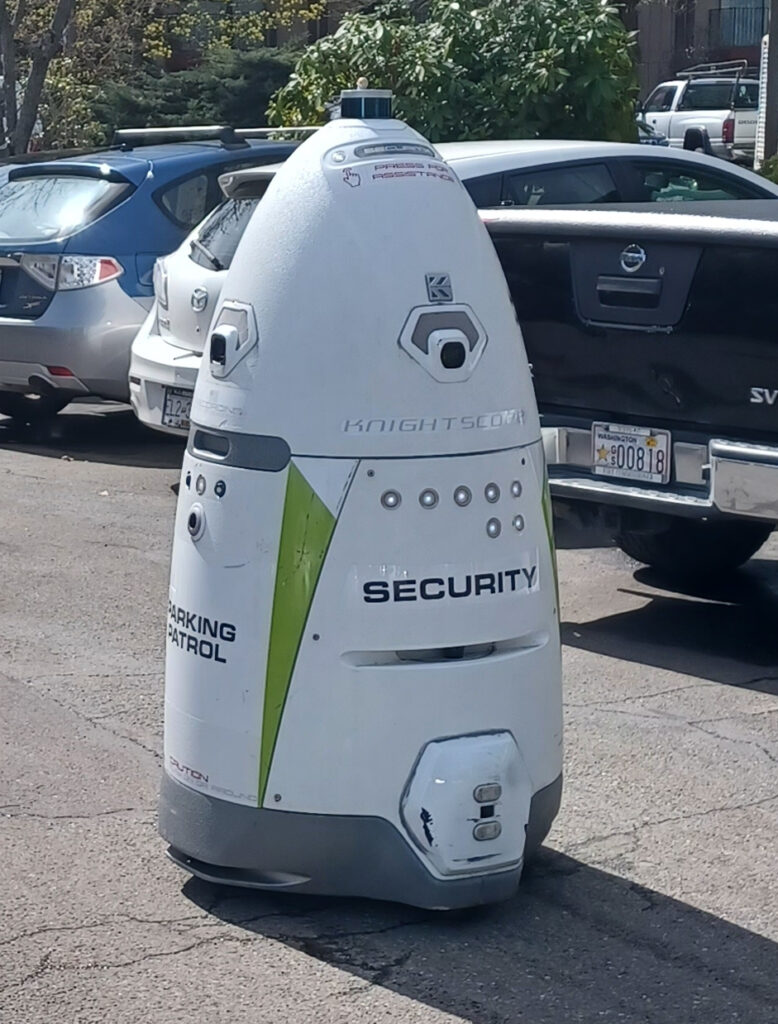

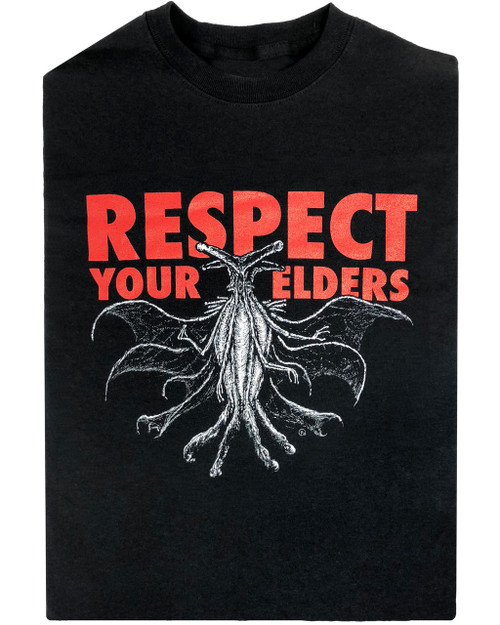


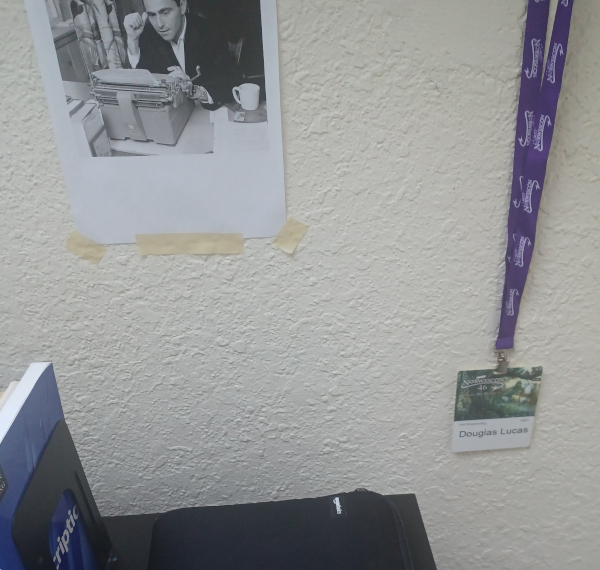


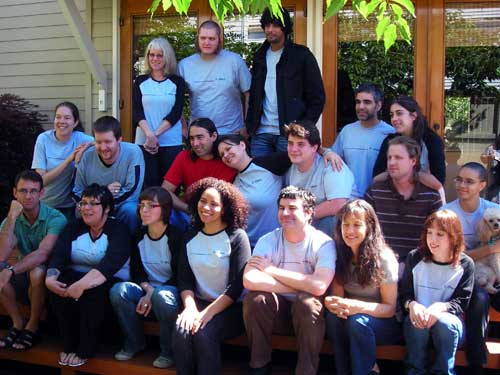


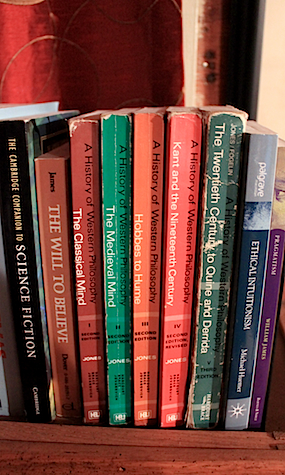
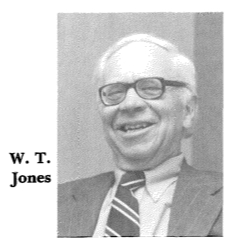



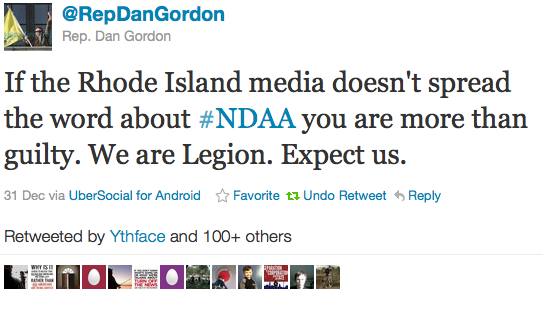
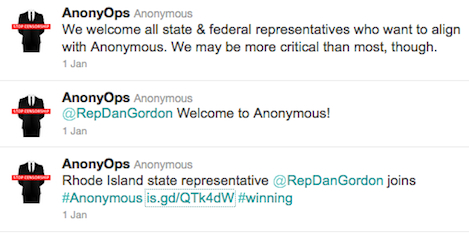
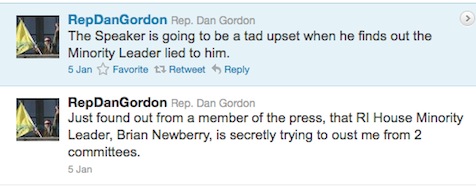
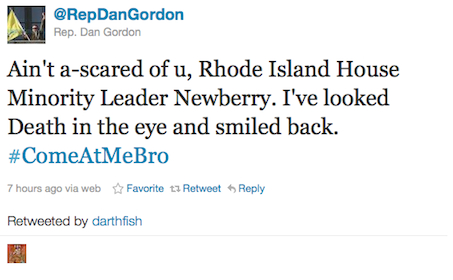
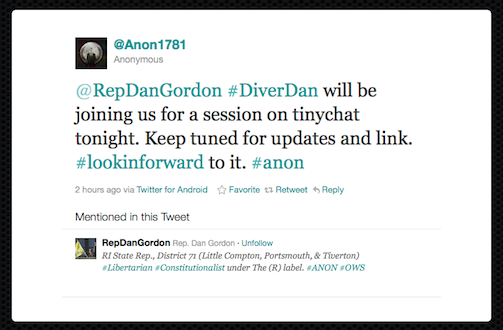
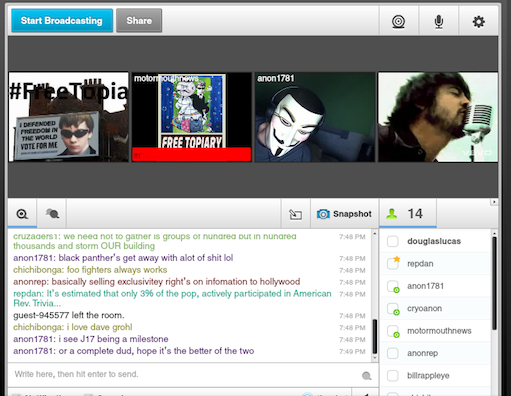






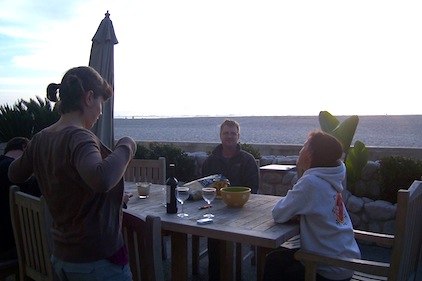
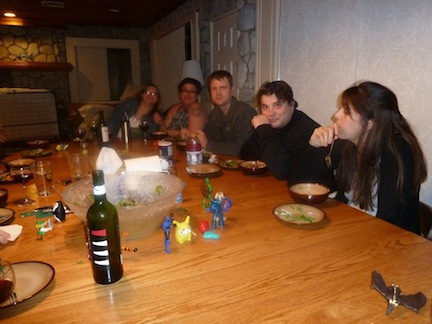
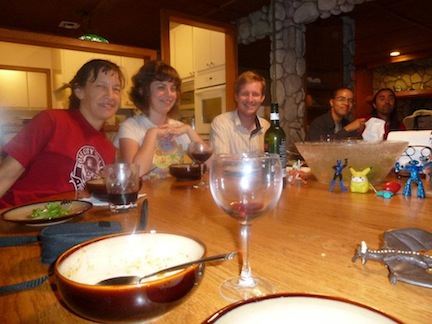







 Twitter:
Join the conversation